
In the rolling…
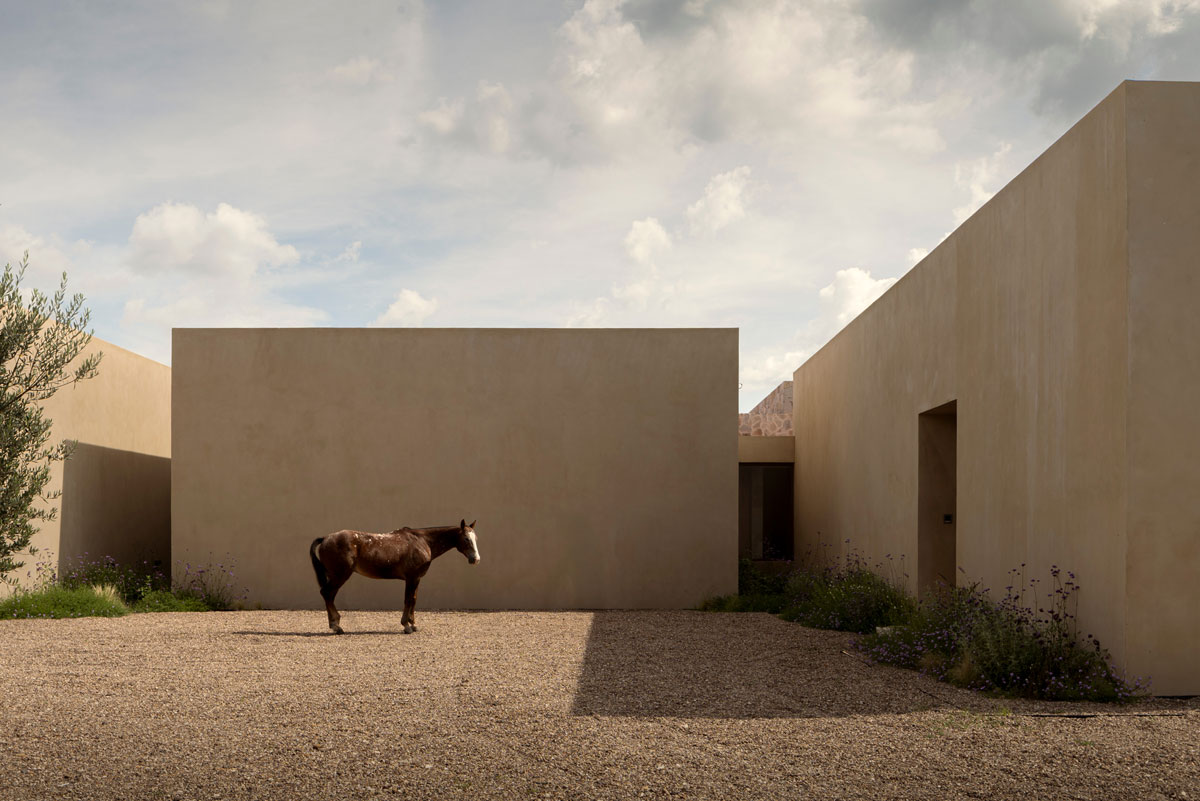
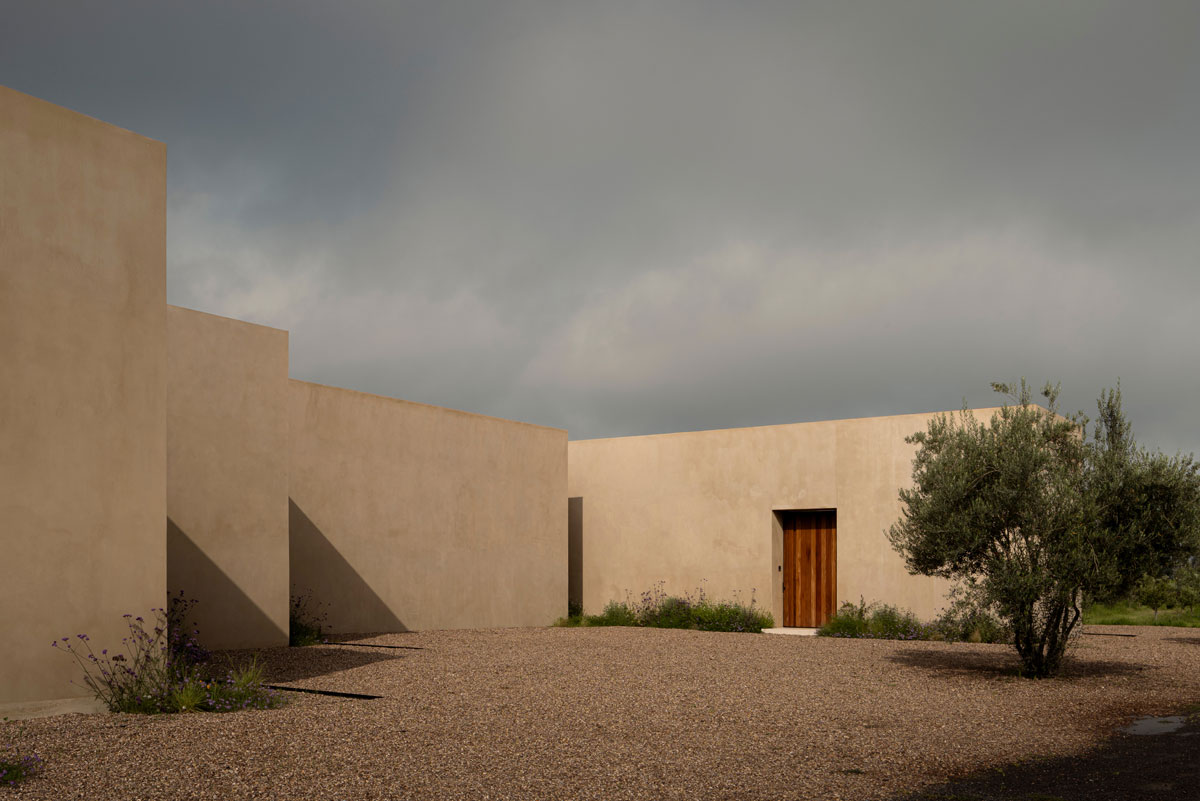
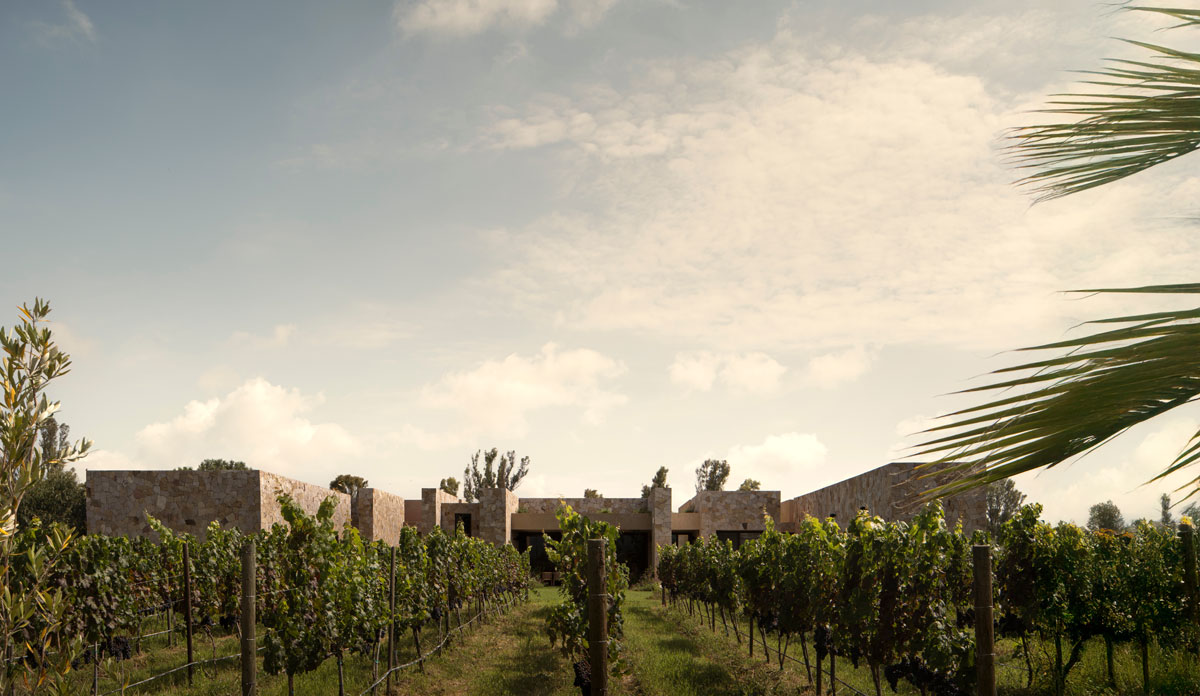
outskirts of San Miguel de Allende, where the scent of grapevines mingles with century-old stone, Casa San Francisco by Jorge Garibay Arquitectos unfolds as a meditation on time, place, and quiet luxury. This isn’t merely a vacation home; it is a refined dialogue between viticulture, winemaking, and monastic architecture, reimagined for the present without surrendering its ancestral heartbeat.
The project…
began with a simple premise—a sanctuary for rest nestled within a vineyard near San Miguel de Allende, a colonial gem in Guanajuato. From the outset, the brief sought a seamless bond between architecture and winemaking, inviting time to become a tangible material. To understand Casa San Francisco, one must wander back through history. San Miguel’s origins as San Miguel el Grande in the sixteenth century is inseparable from the arrival of grape cultivation, brought by Franciscan friars. As Catholic missions charted maps and souls, they also shaped the built environment—as convent and monastery architecture infused the urban and rural landscape with a new structure and aesthetic.
Known for…
championing a disciplined elegance that refuses to compromise on emotional resonance, Jorge Garibay Arquitectos’ work showcases a deep engagement with people, site, identity, and purpose, delivering environments where beauty arises from the honest alignment of function, form, and memory. The practice operates with a philosophy of simplicity, a commitment to sustainable, thoughtful development, and a collaborative approach that honors the specifics of each project.
Casa San Francisco…
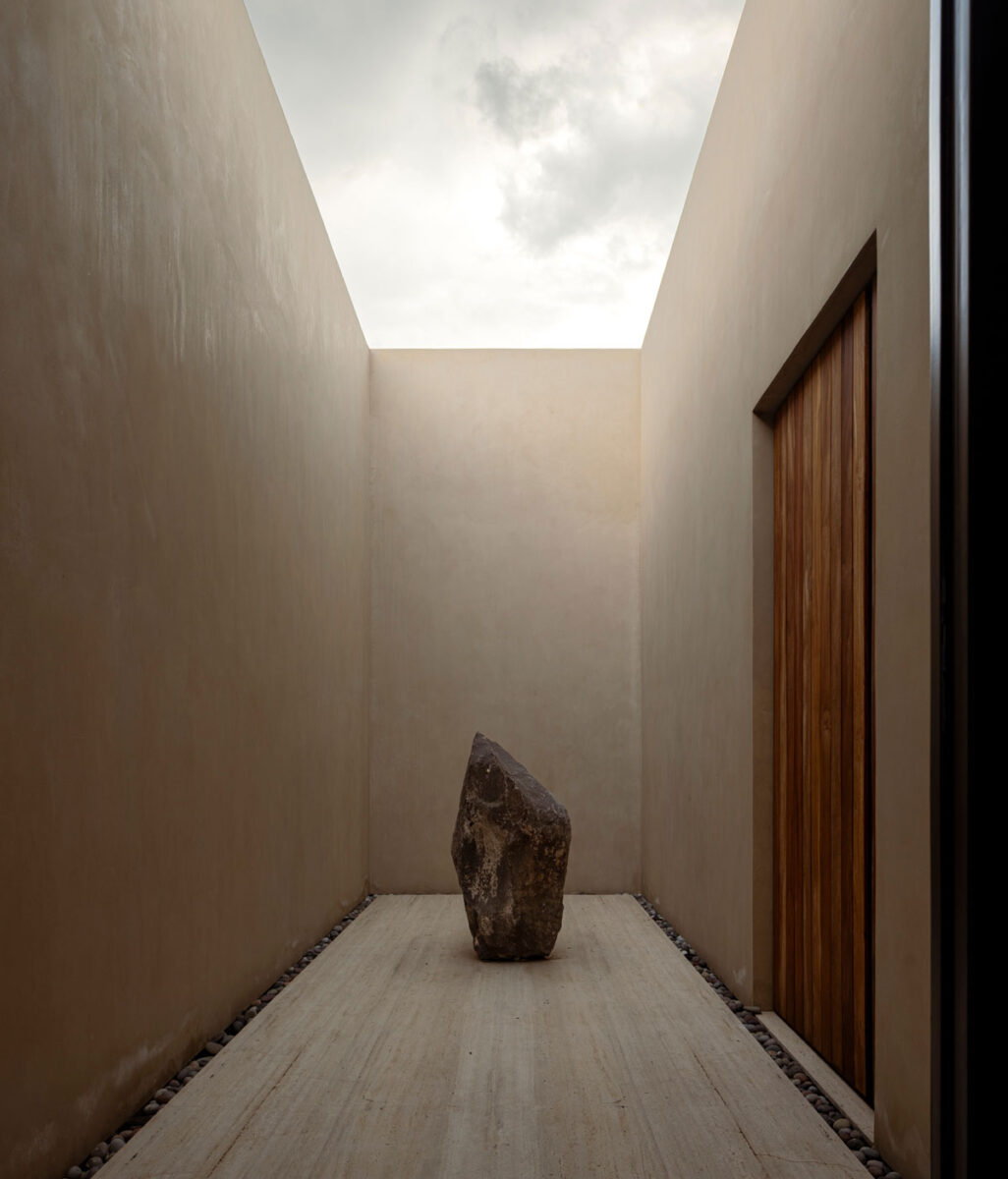
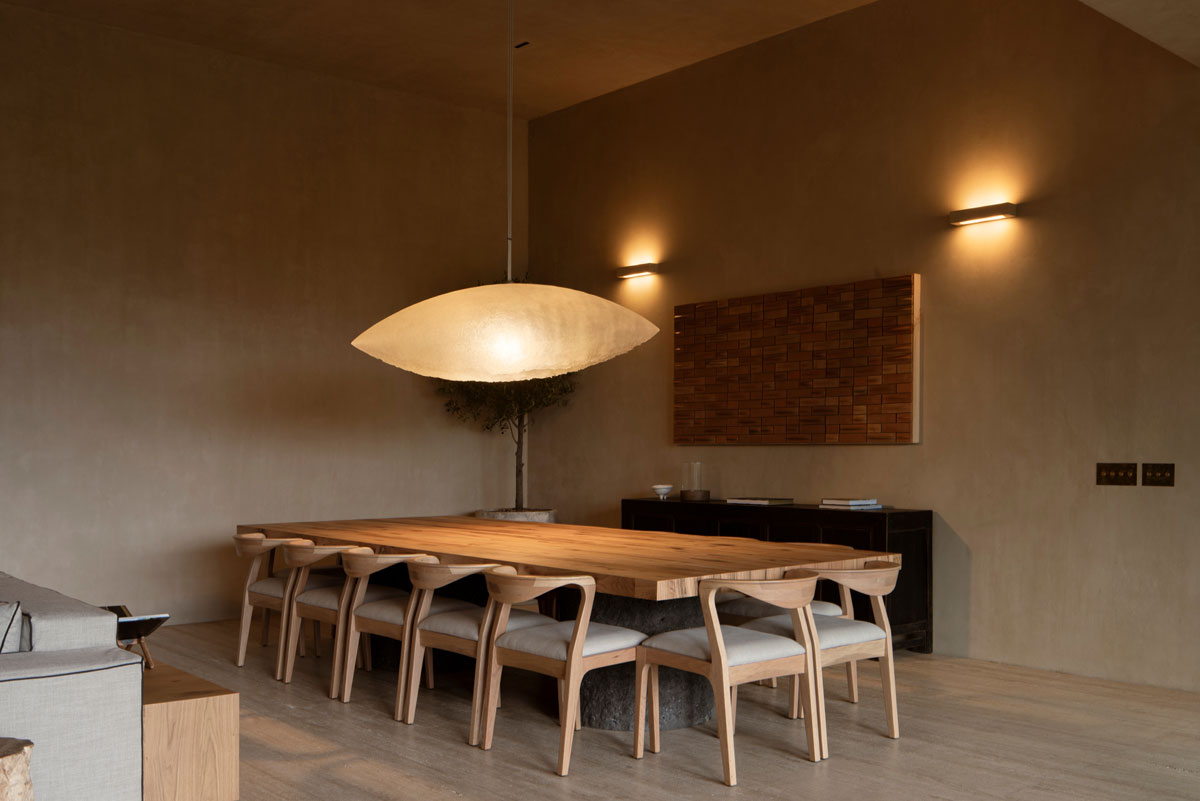
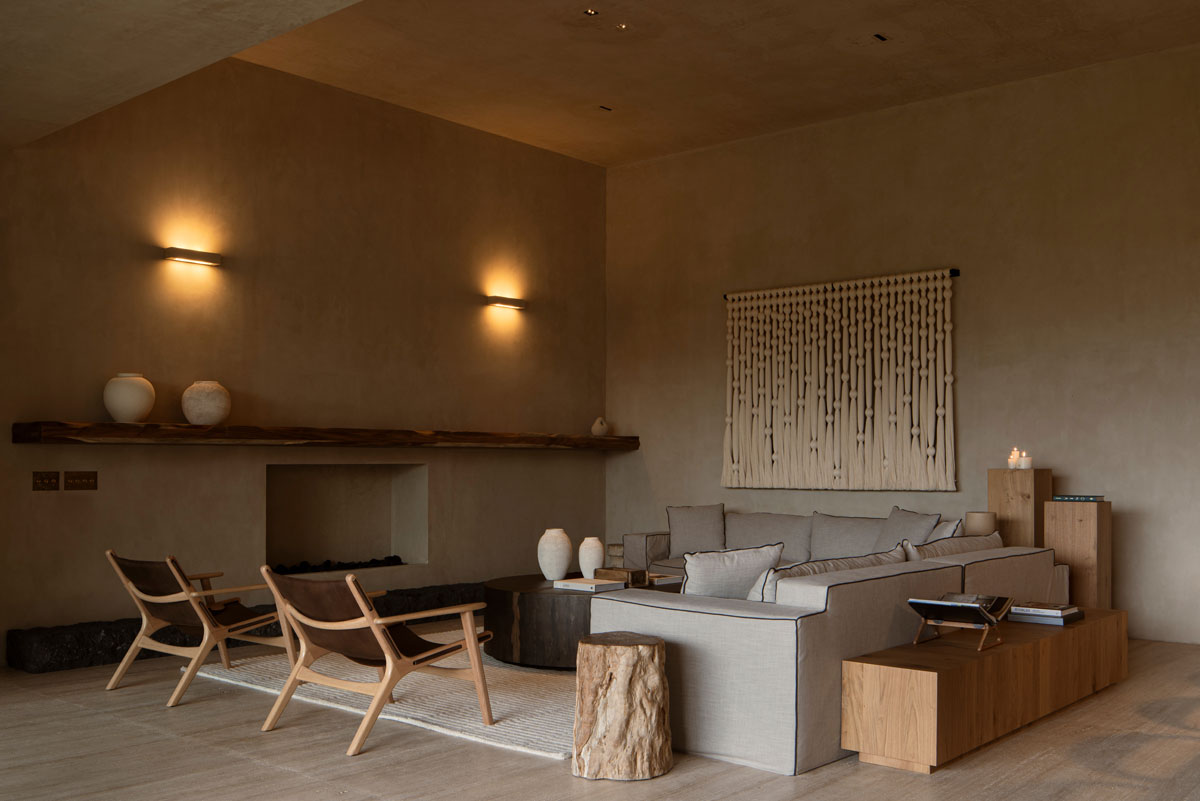
treats time as a material, a slowly evolving presence that reveals itself through purposeful construction choices. The same spirit that guided historical monastic architecture—a discipline of light, proportion, and restraint—receives a contemporary translation here, one that honors its sixteenth-century roots while standing in today’s luxury vernacular. The intention is more than visual resonance; it is a sensory experience.
The floor plan…
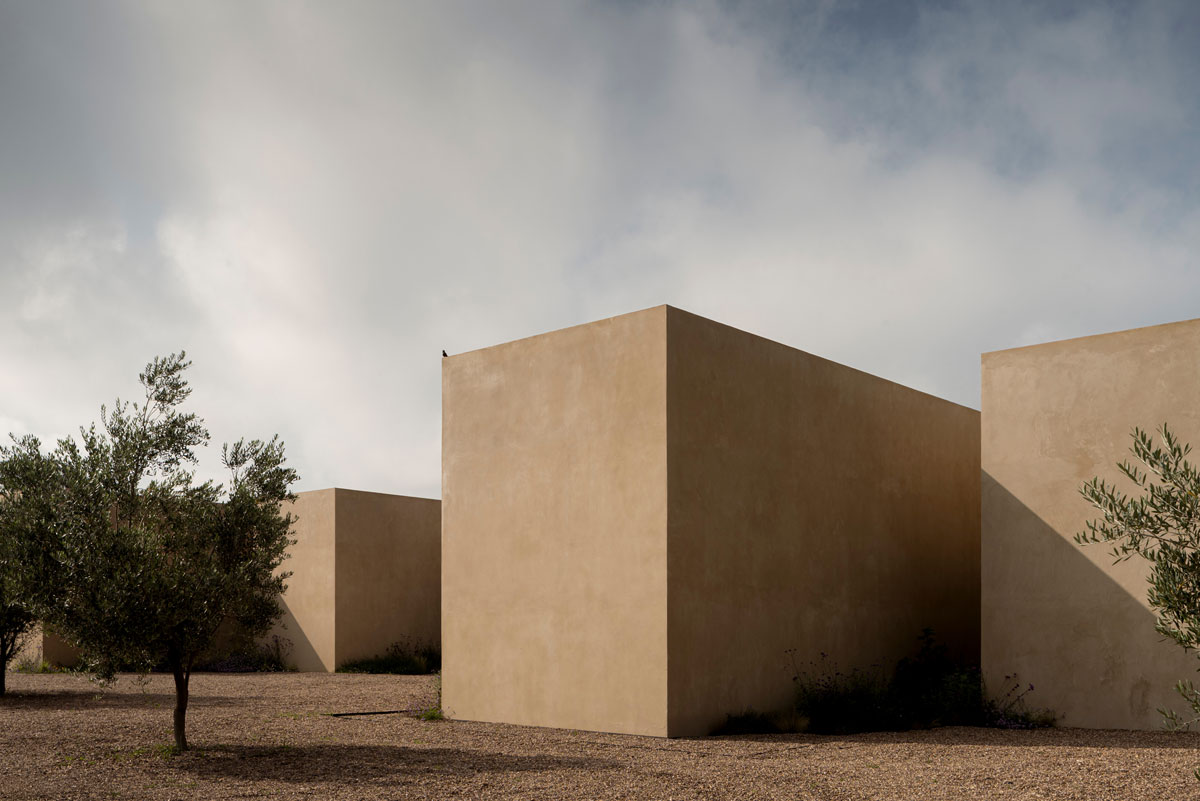
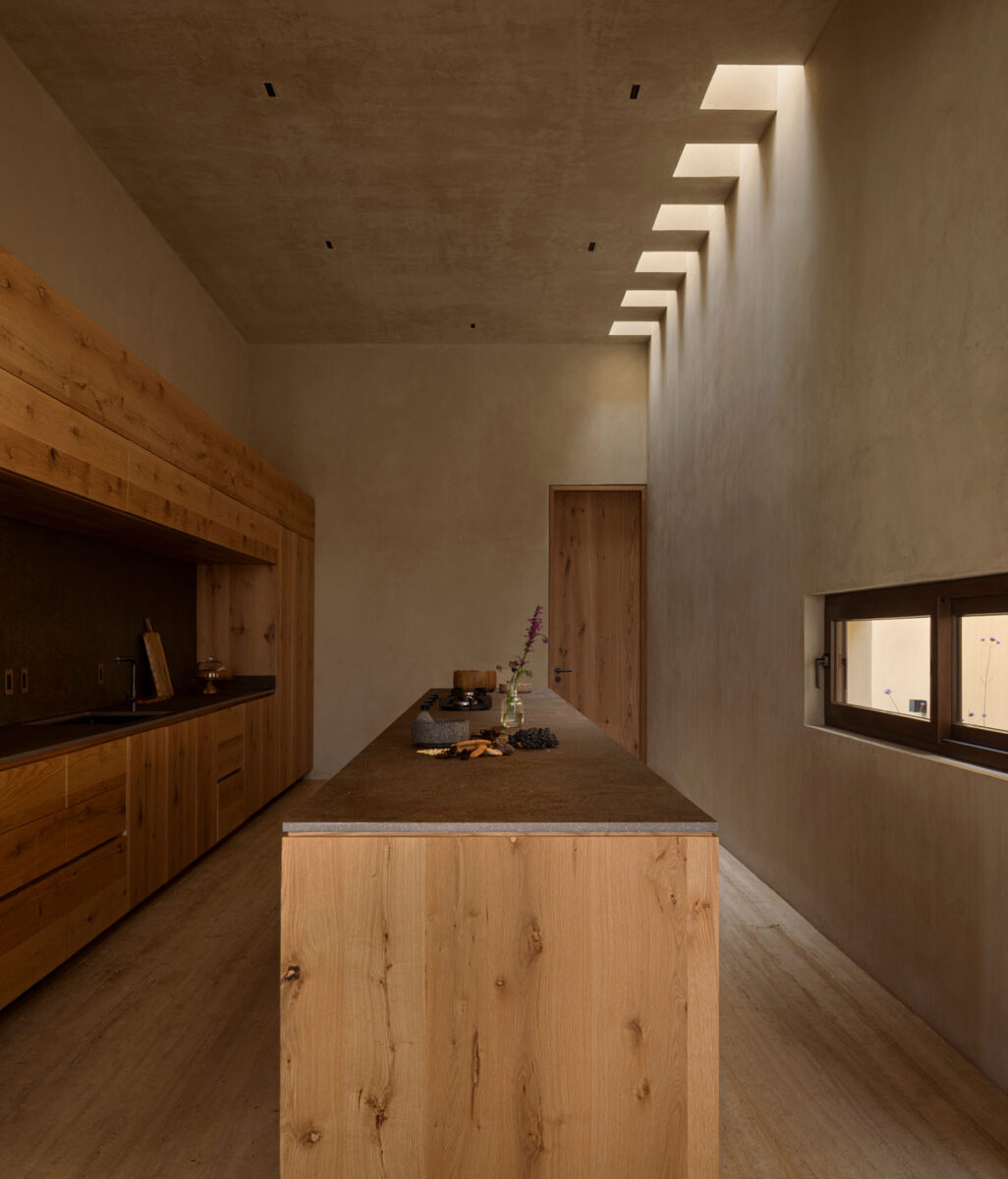
unfolds through five volumes arranged to open onto landscaped terraces and vineyard views. A central corridor stitches the volumes together, guiding visitors through a sequence of spaces in rhythm with the landscape. The main entry boasts a double-height ceiling—a transitional threshold between the expansive landscape and more cloistered interiors. The west wing houses the public areas: dining room, terrace, kitchen, living room, garage, and service areas, while the four bedrooms occupy the east. This division preserves privacy while maintaining a cohesive architectural language, allowing the home to function as both welcoming retreat and intimate sanctuary.

Materiality speaks…
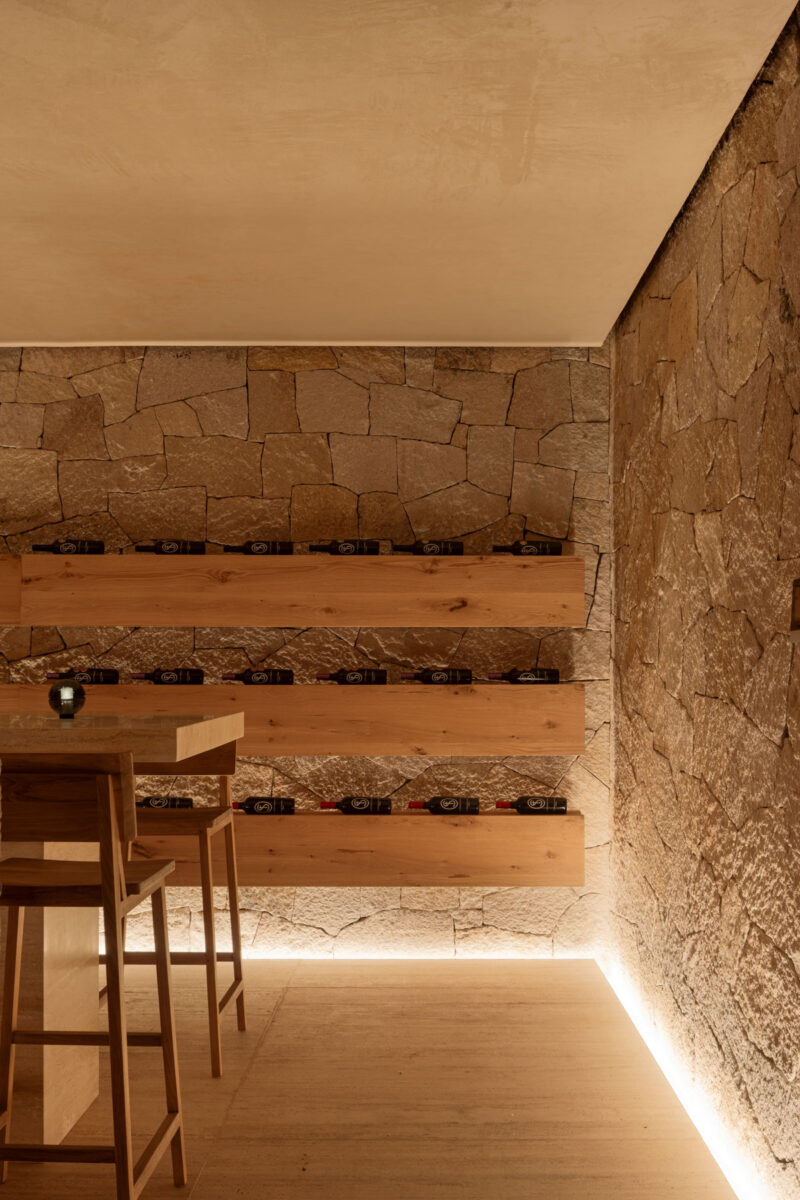
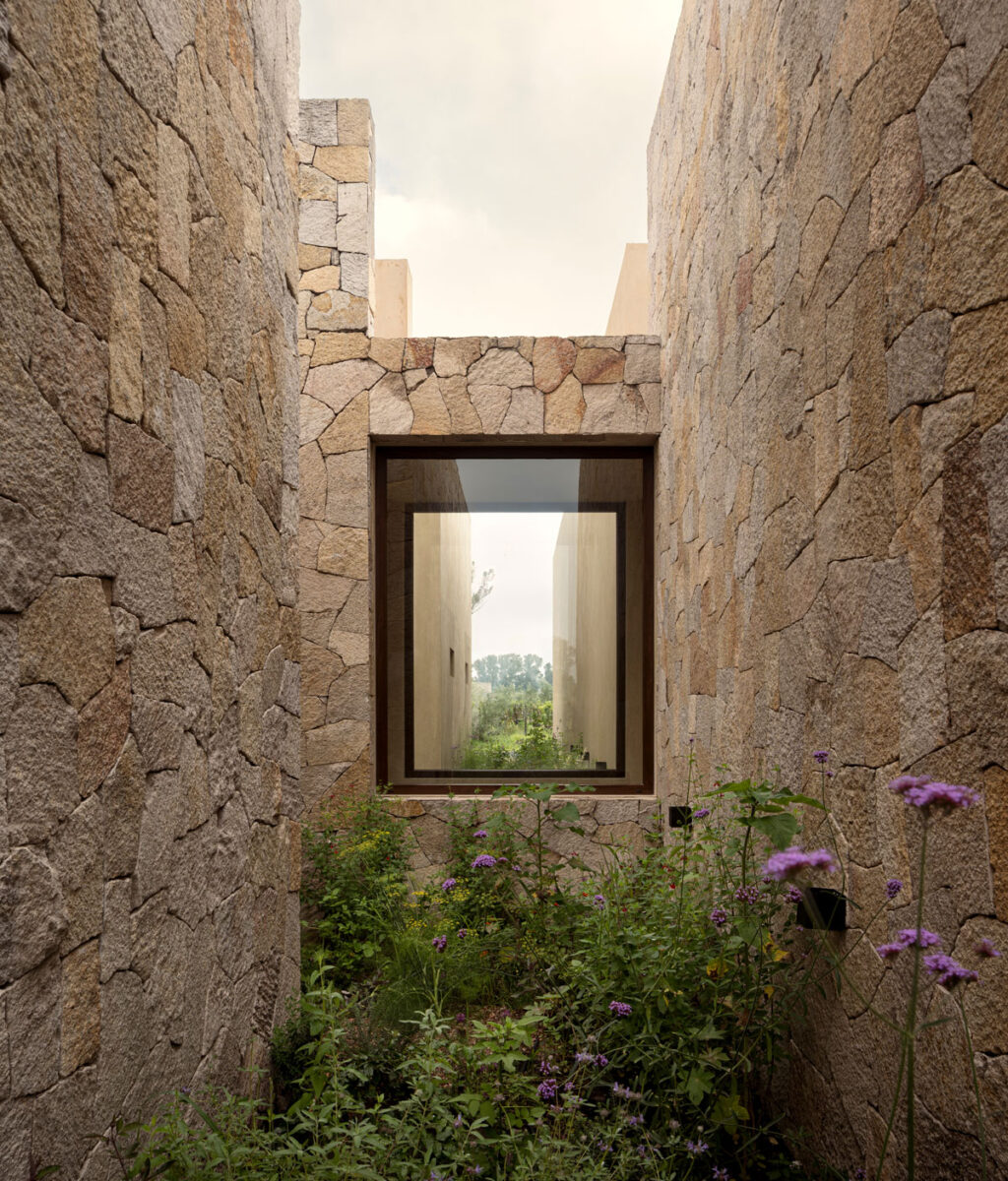
with quiet authority. The objective was to achieve a monumental presence with modest detail, letting texture and light do the heavy lifting. The chosen materials—locally quarried stone, unpolished Mexican marble for floors, and lime-based paint applied by hand—create a rich monochrome experience—embracing durability, tactile warmth, and a subtle time-worn patina. Internally, oak furniture complements stone, while lighting mimics the warm temperature of sixteenth-century convents without compromising modern illumination. The result is a softly radiant interior where daylight is as important as the calibrated glow of artificial light.
Casa San Francisco…
reflects the late Luis Barragán’s notion that “time also paints,” embracing beauty as an imperfect, evolving phenomenon. Here, luxury is rooted in restraint—a place where architecture whispers rather than shouts and inhabitants are invited to listen to the land—where the cycles of growth, seasonal change, decay, and entropy become tangible through space, light, texture, and patina, cultivating a living aesthetic that deepens with every passing season.
Tap the look…






Architecture: Jorge Garibay Architects
Photo: Cesar Belio
Souce: v2com