
Originally…
constructed in 1934 as an extension to an Italian-inspired villa, Guest House No. 16 reflects a transitional moment in Danish architecture, where neoclassical order met the simple informality of Scandinavian living.
Nestled within the pine forests of North Zealand—just north of Copenhagen—the house sits in a landscape often referred to as the “Danish Riviera,” a coastal region known for its rare combination of woodland, sandy shoreline, and cultural landmarks such as Kronborg Castle, Frederiksborg Castle, and the Louisiana Museum of Modern Art.
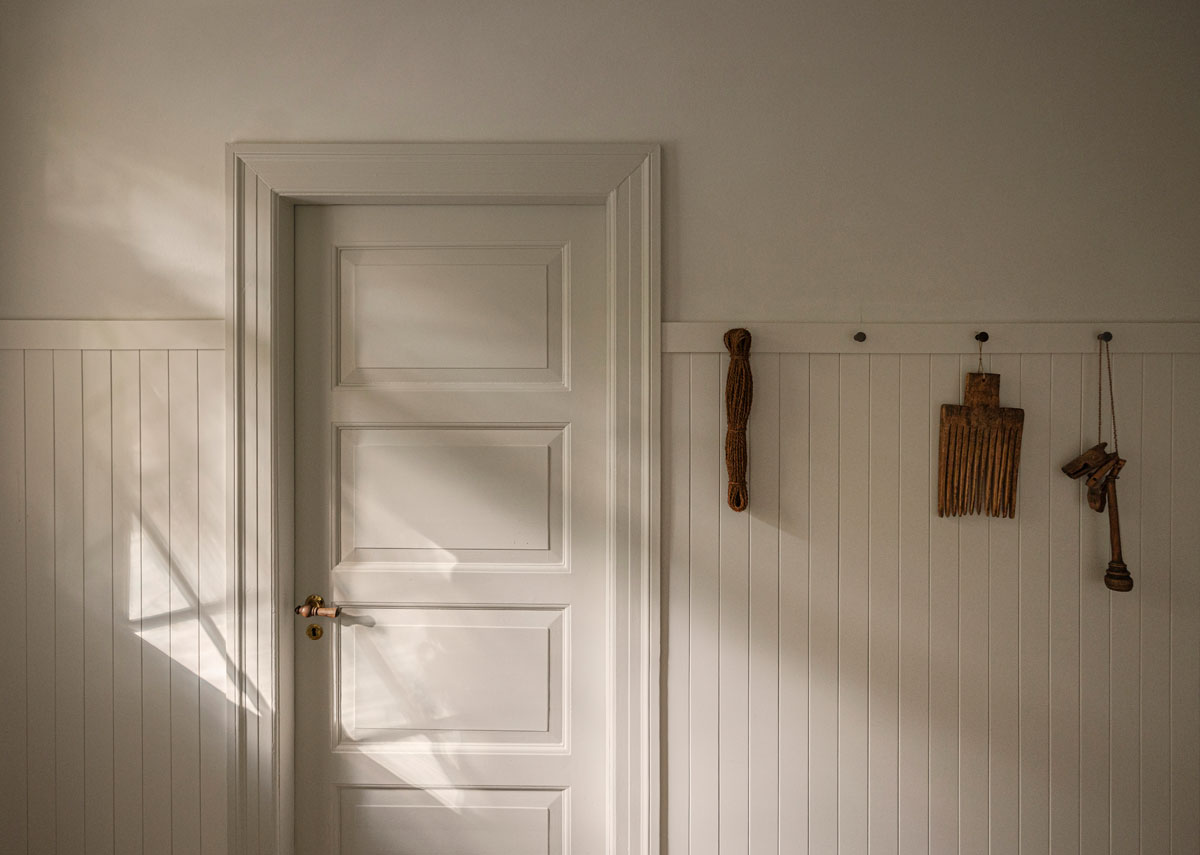
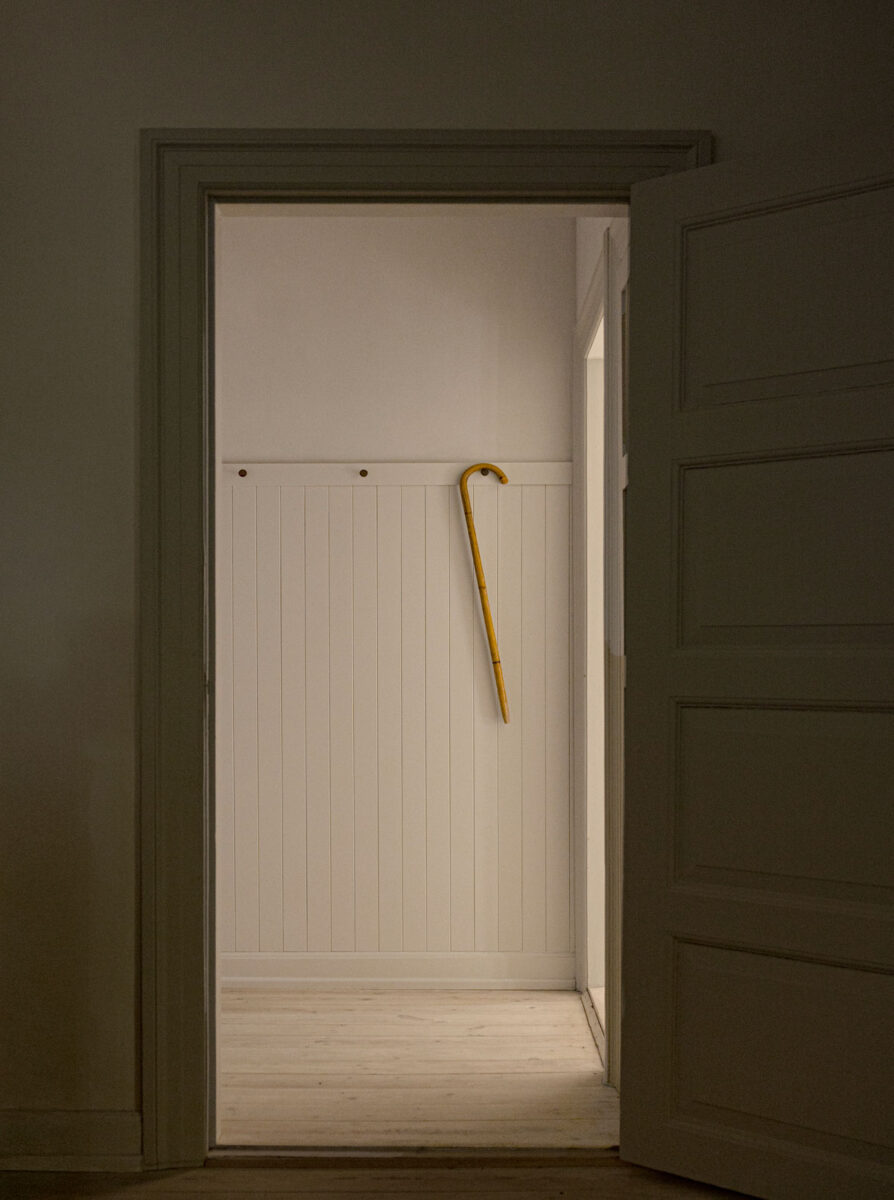
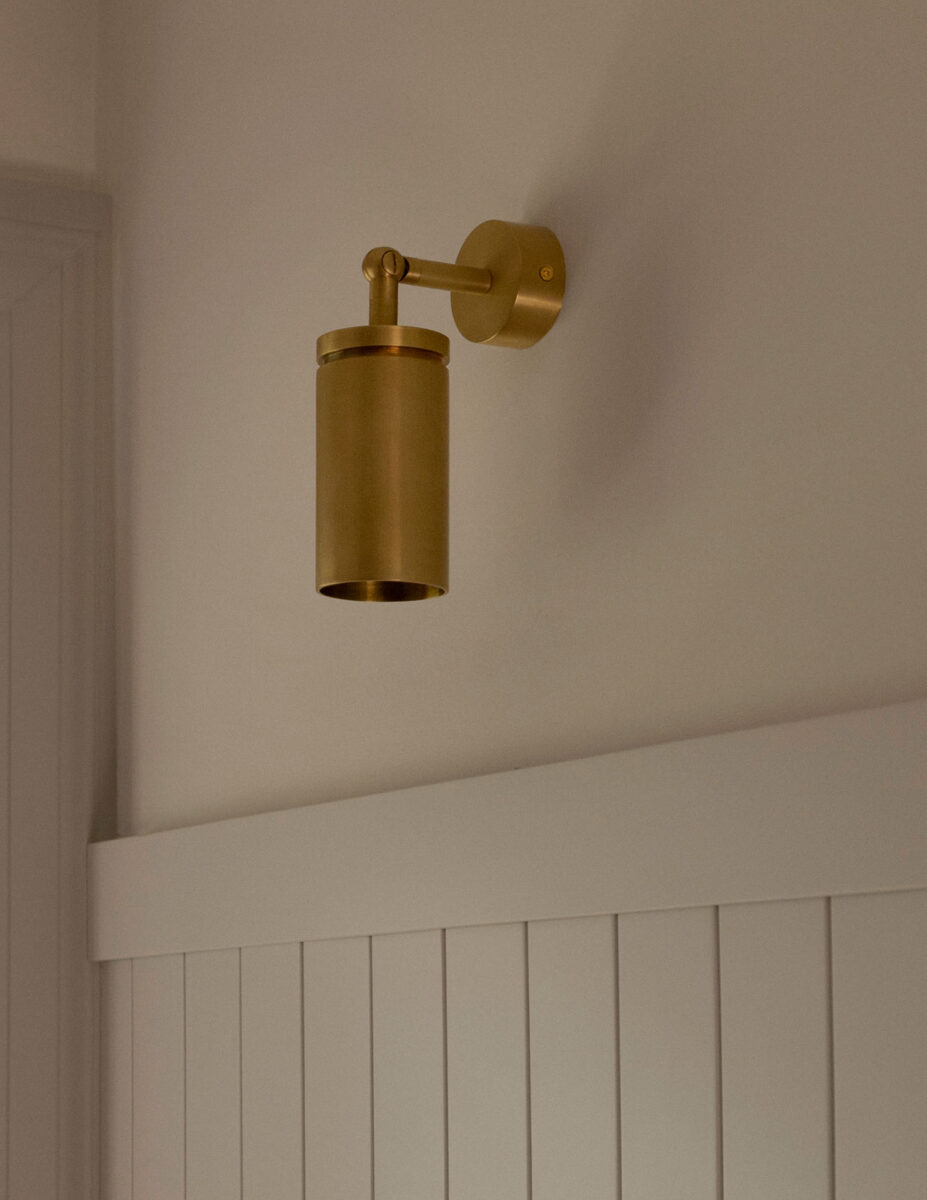
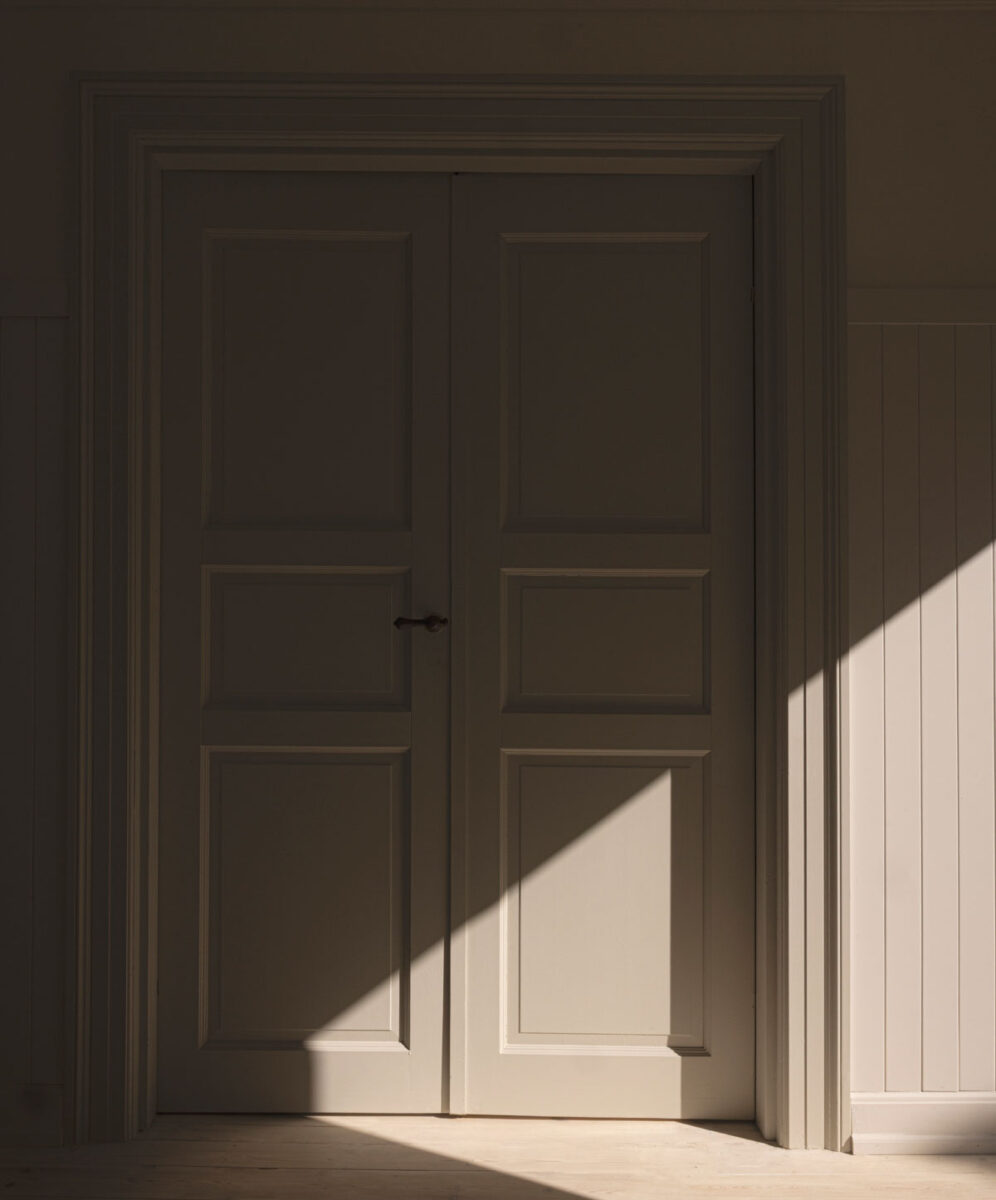
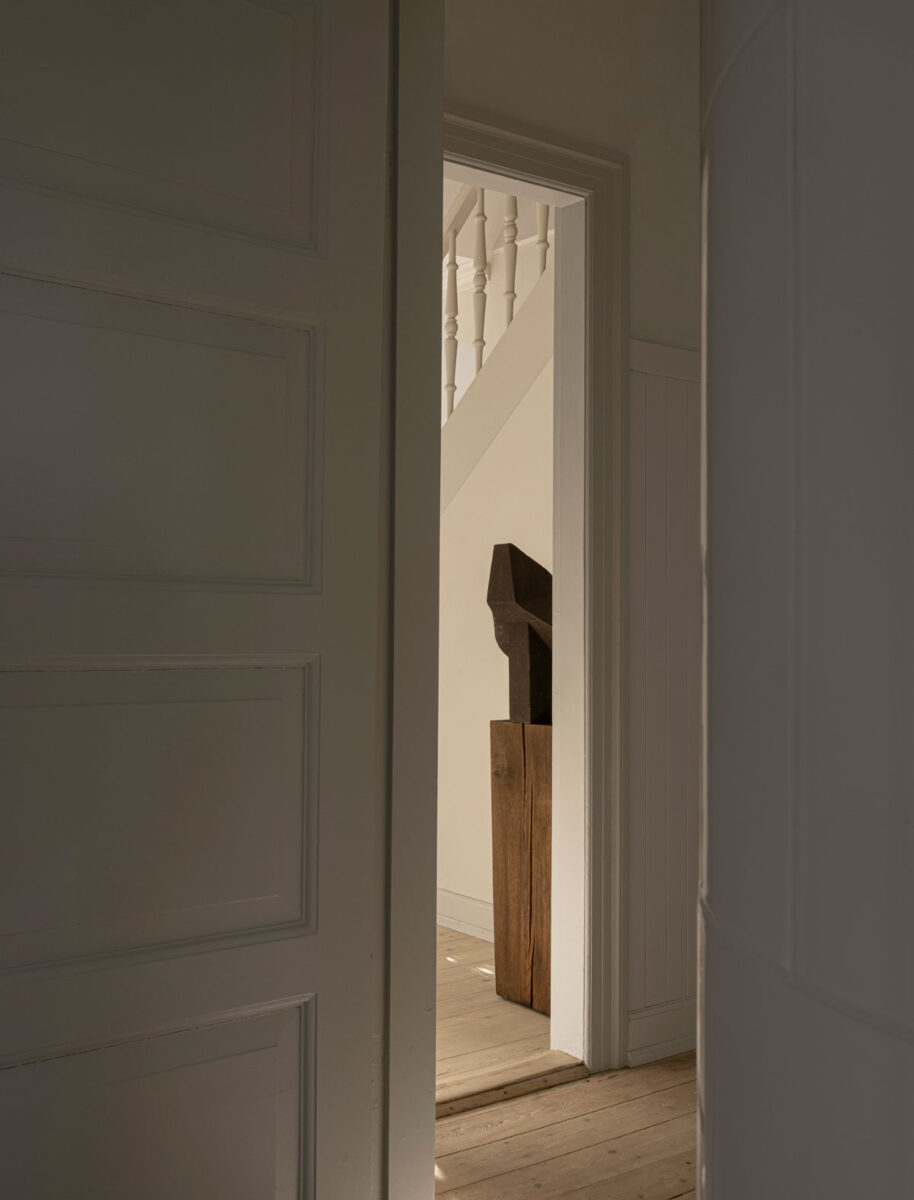
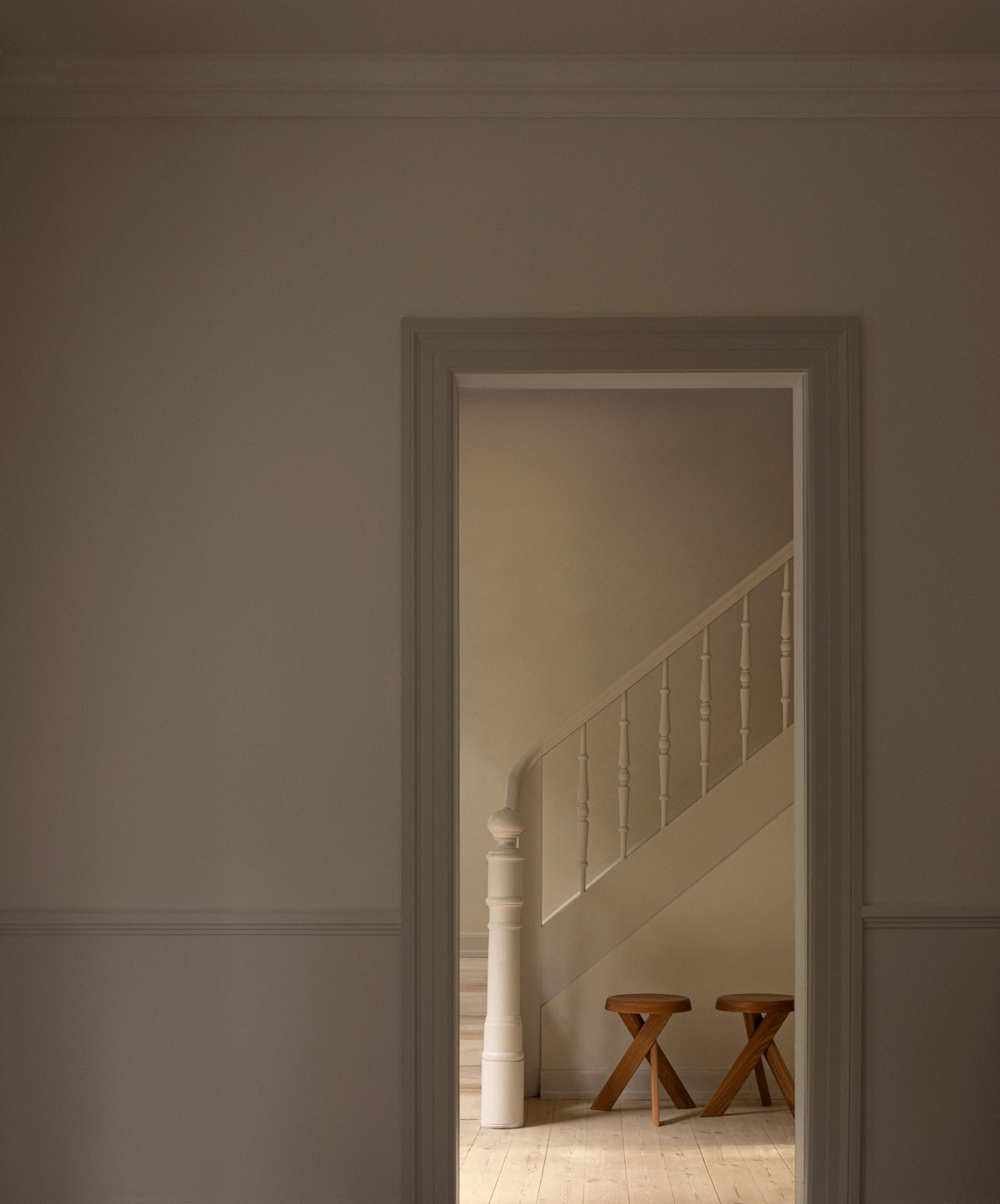
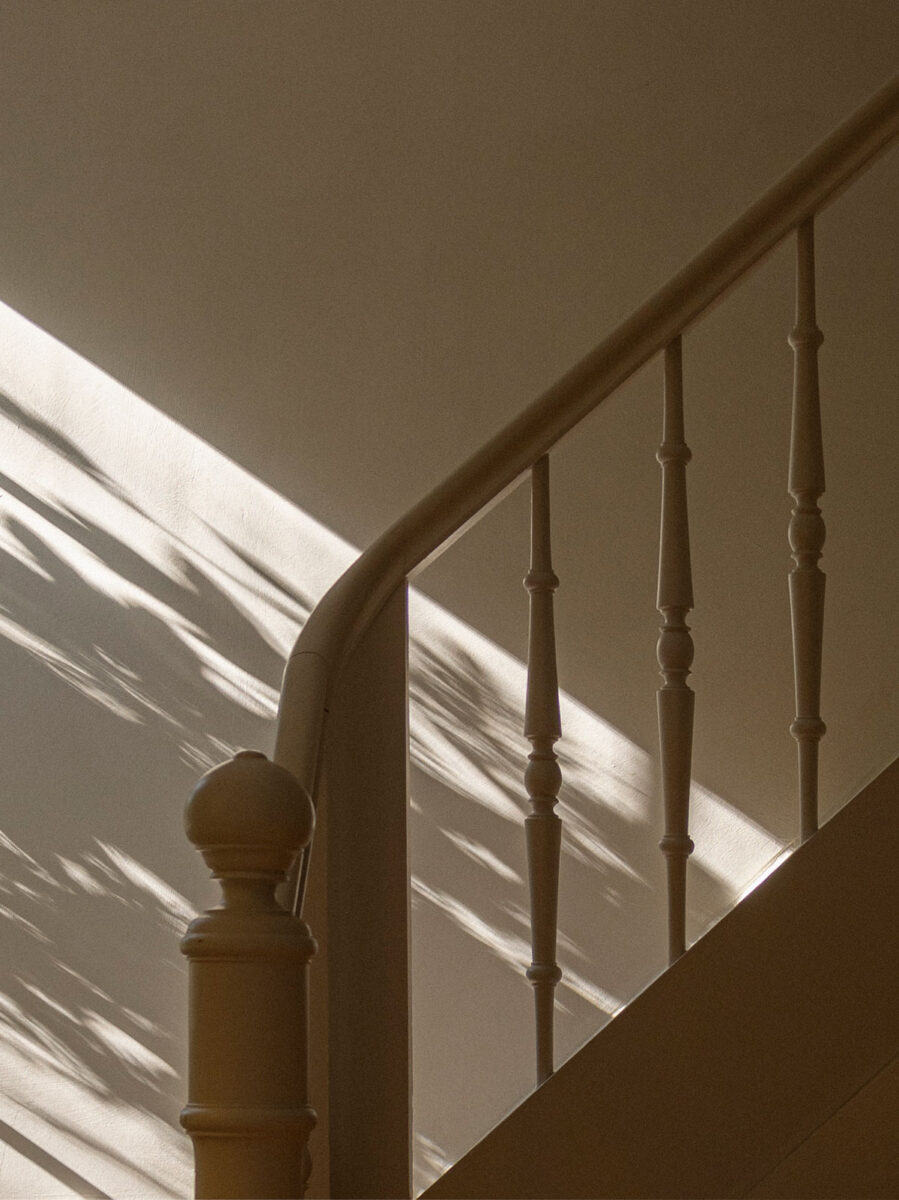
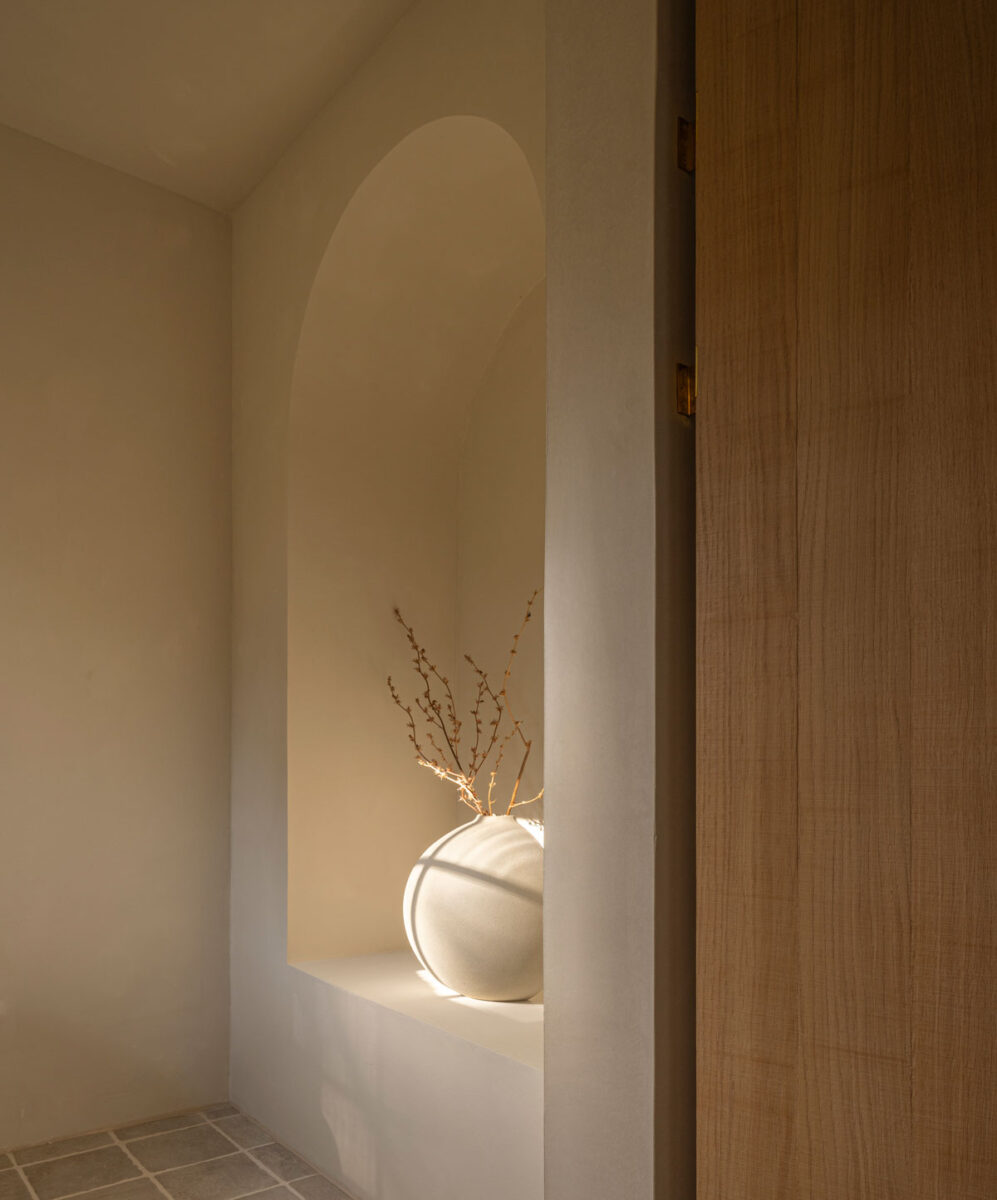
Just a brief walk from the sea, the guesthouse has been carefully restored by Norm Architects. The intervention prioritizes continuity over reinvention, preserving original architectural elements—including stucco, wall paneling, staircases, doors, rosettes, and selected hardware—while integrating bespoke additions designed to feel intrinsic to the building.
Interiors evoke…
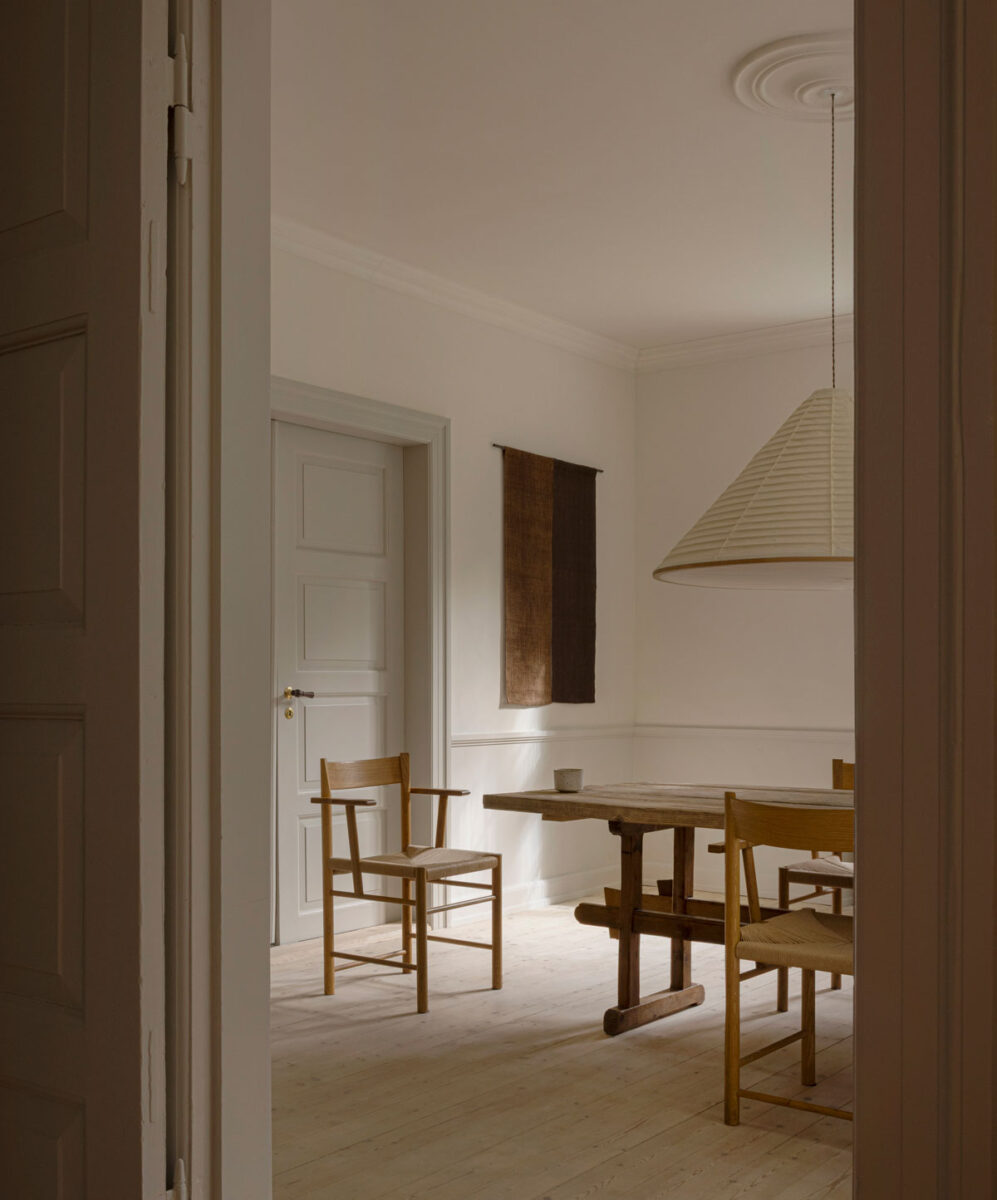
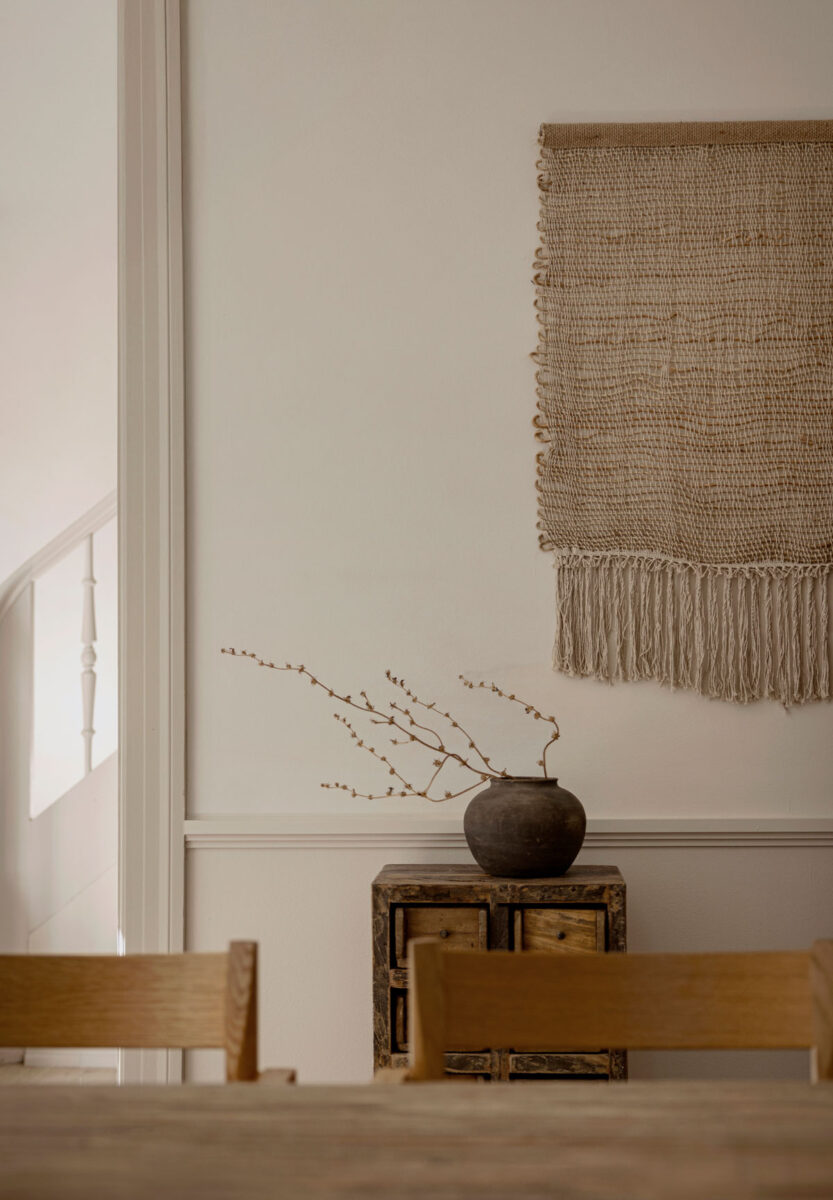
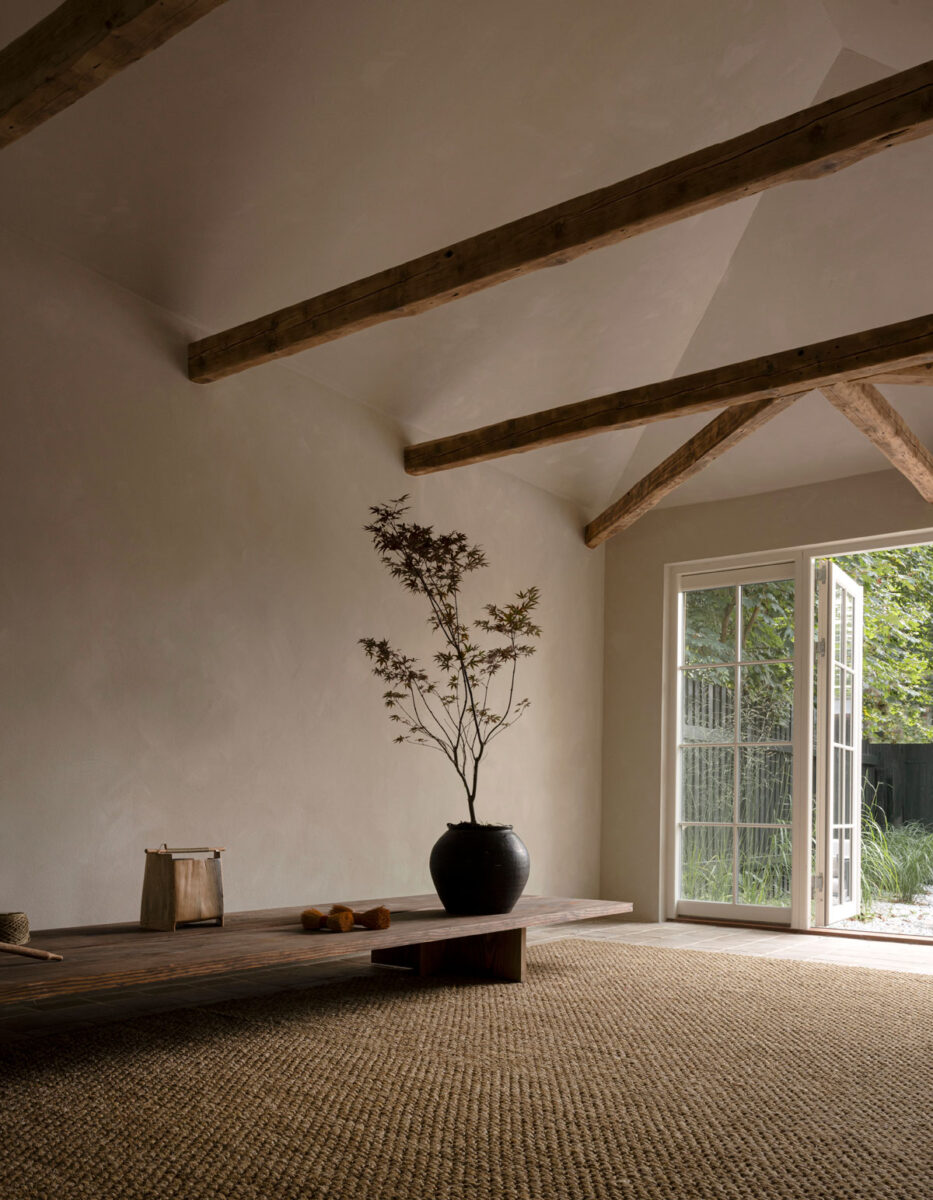
the quiet sensibility of Danish artist Vilhelm Hammershøi—whose paintings of minimalist rooms rendered in muted greys and off-whites explore light, shadow, and stillness with an almost meditative focus. This influence emerges in the controlled palette and pared-down atmosphere, where space is defined as much by what is absent as by what is present. This local reference is complemented by nods to Japanese aesthetics, particularly imperfection, material honesty, and the visible passage of time through patina. Italian neoclassical proportions provide architectural clarity, while Scandinavian seaside traditions introduce a more earthy, relaxed approach to domestic beauty.
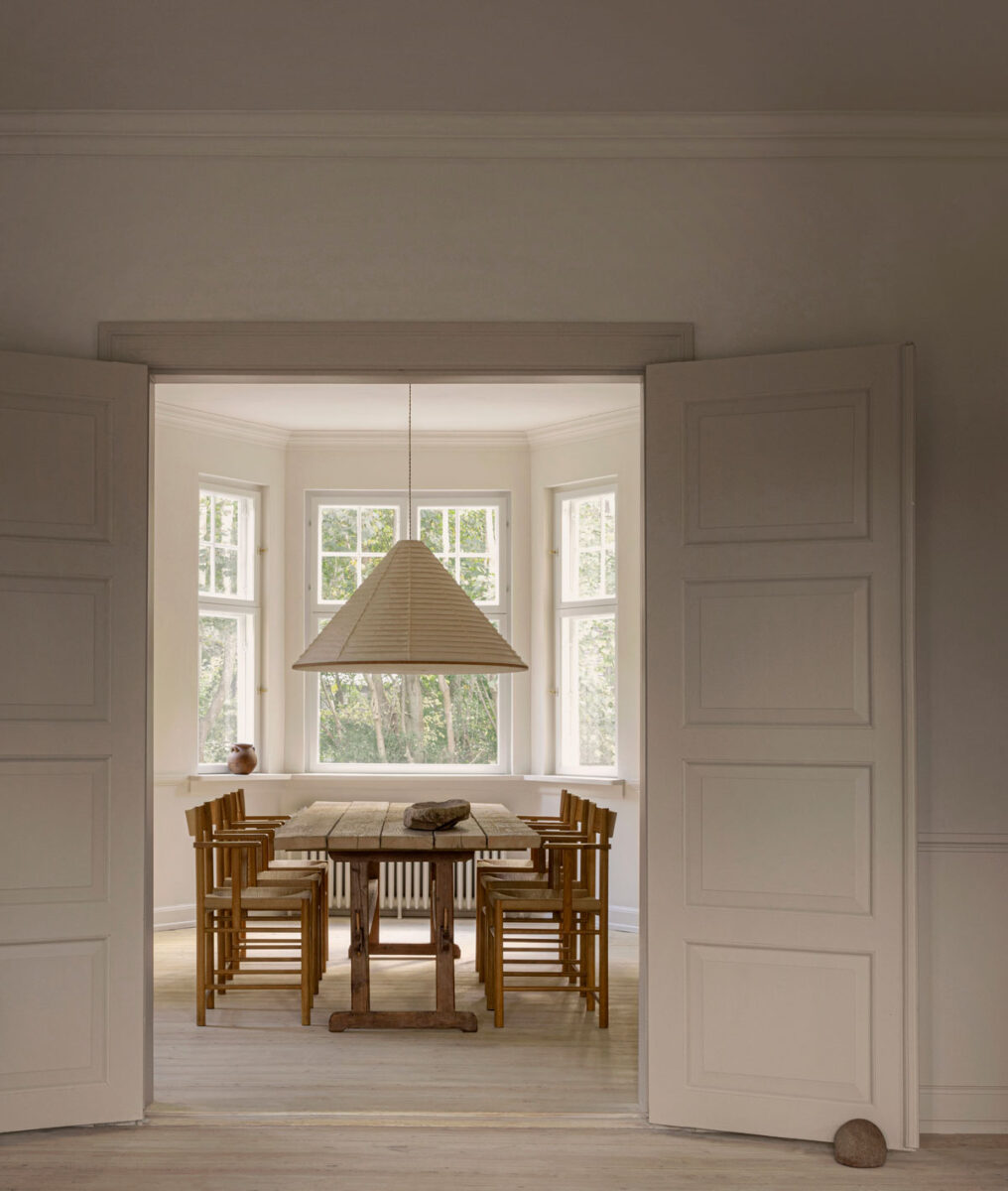
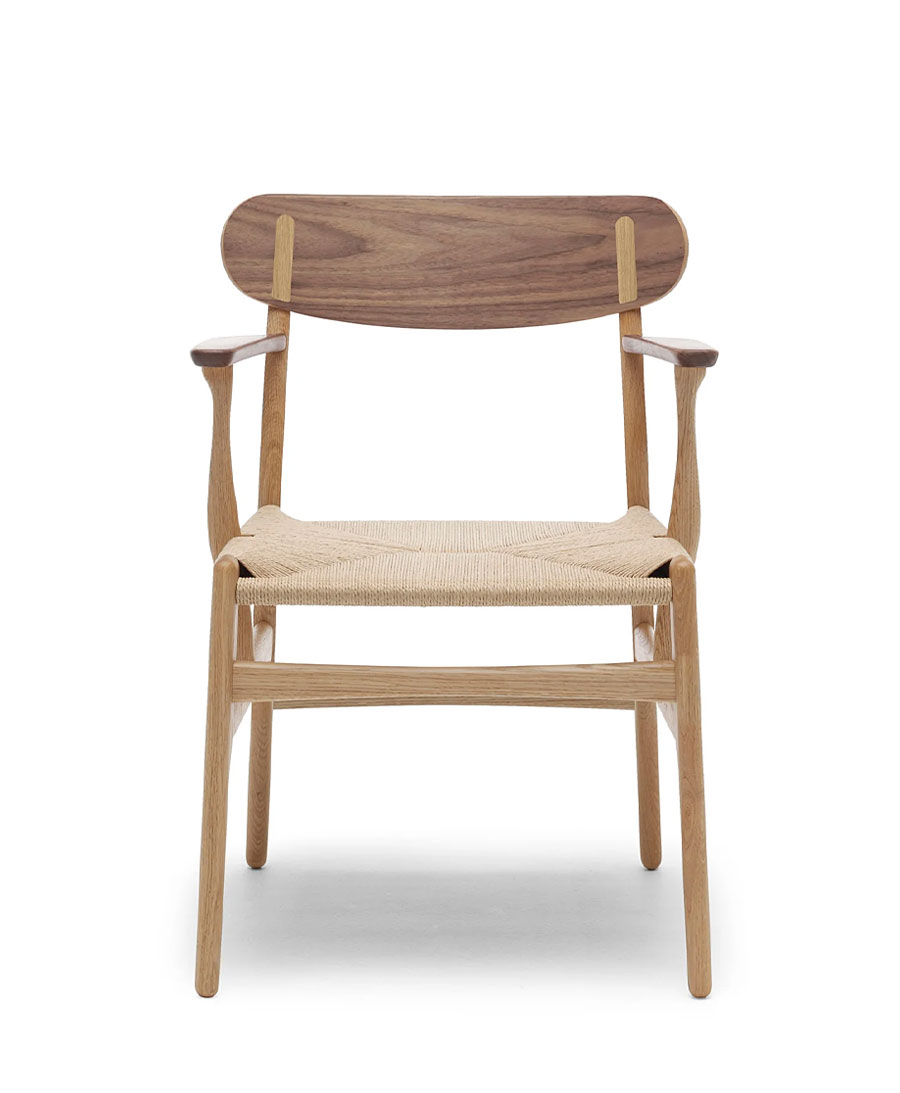
On the ground floor, spaces flow naturally between interior and garden. The dining room is conceived as an inviting gathering space overlooking the garden and tennis court. It combines rustic materiality with refined simplicity, furnished with a long dining table surrounded by timeless paper cord dining chairs, their woven seats introducing a distinctly Scandinavian sense of craft.
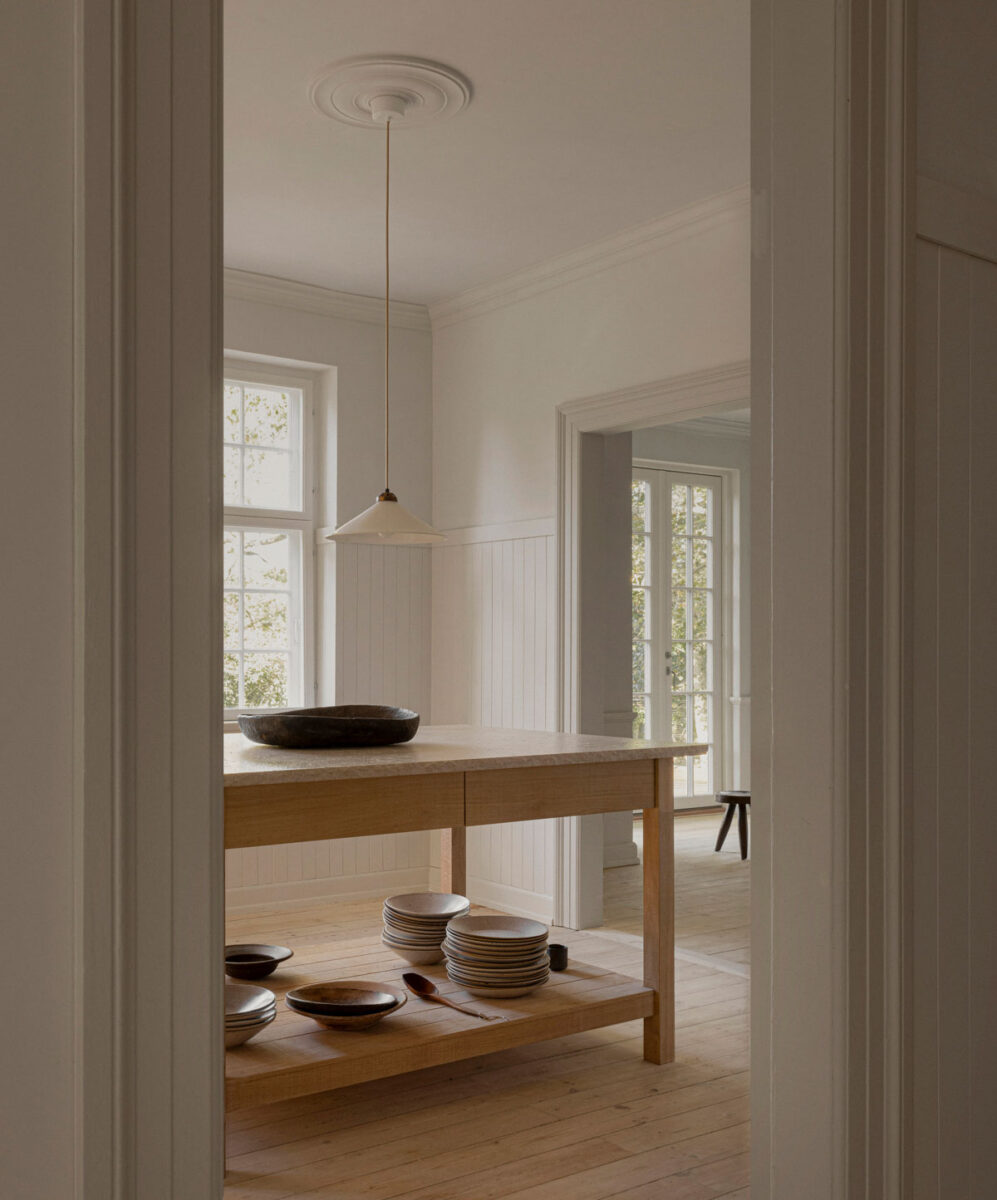
The kitchen…
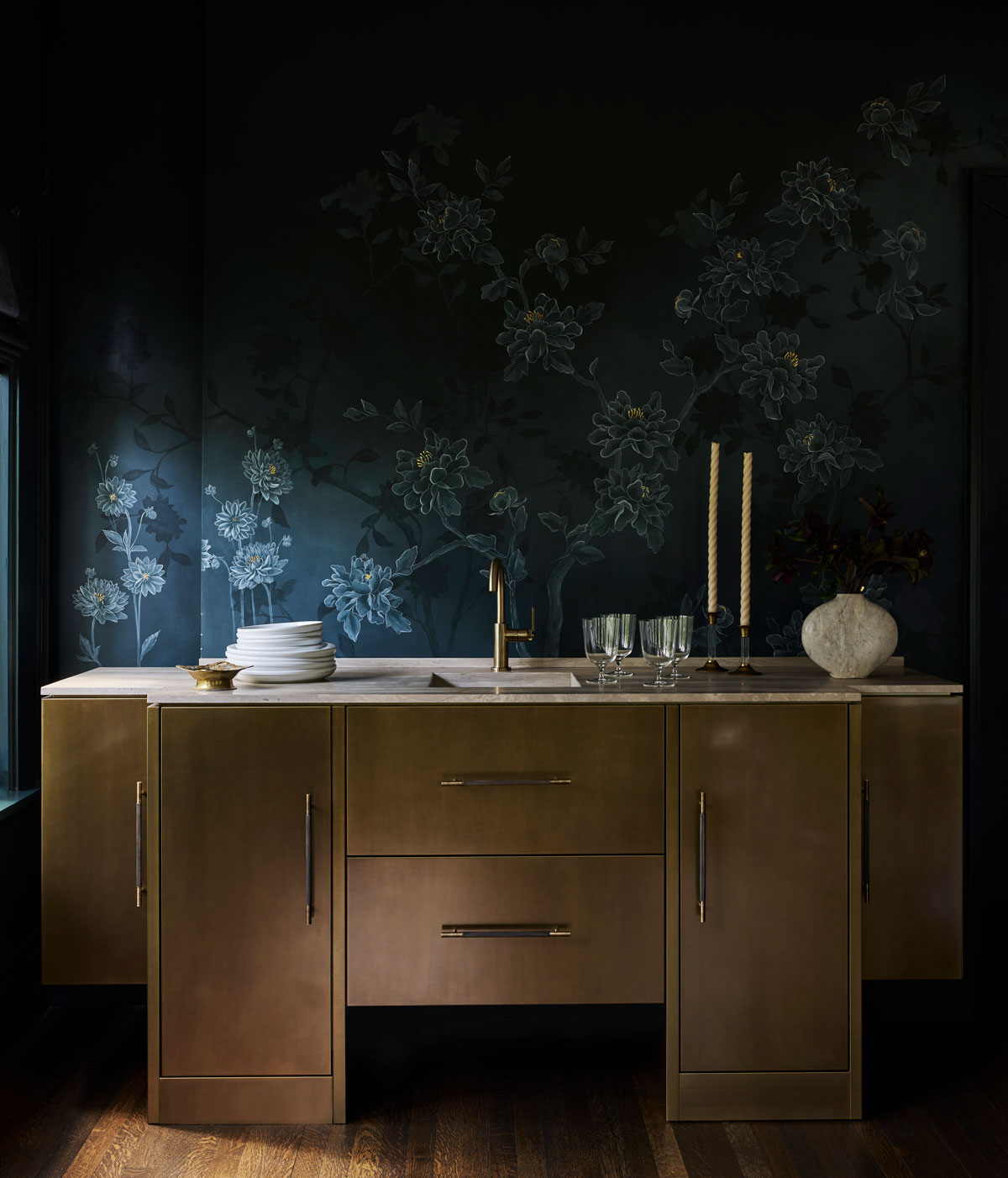
is custom-designed with integrated cabinetry and bush-hammered Italian limestone countertops, maintaining a consistent material language rooted in durability and restraint. Handmade wood paneling with Shaker rails introduces a subtle rhythm to the walls, while restored original doors with brass and dark oak handles preserve the building’s character and history, reinforcing continuity between old and new interventions.
In collaboration…
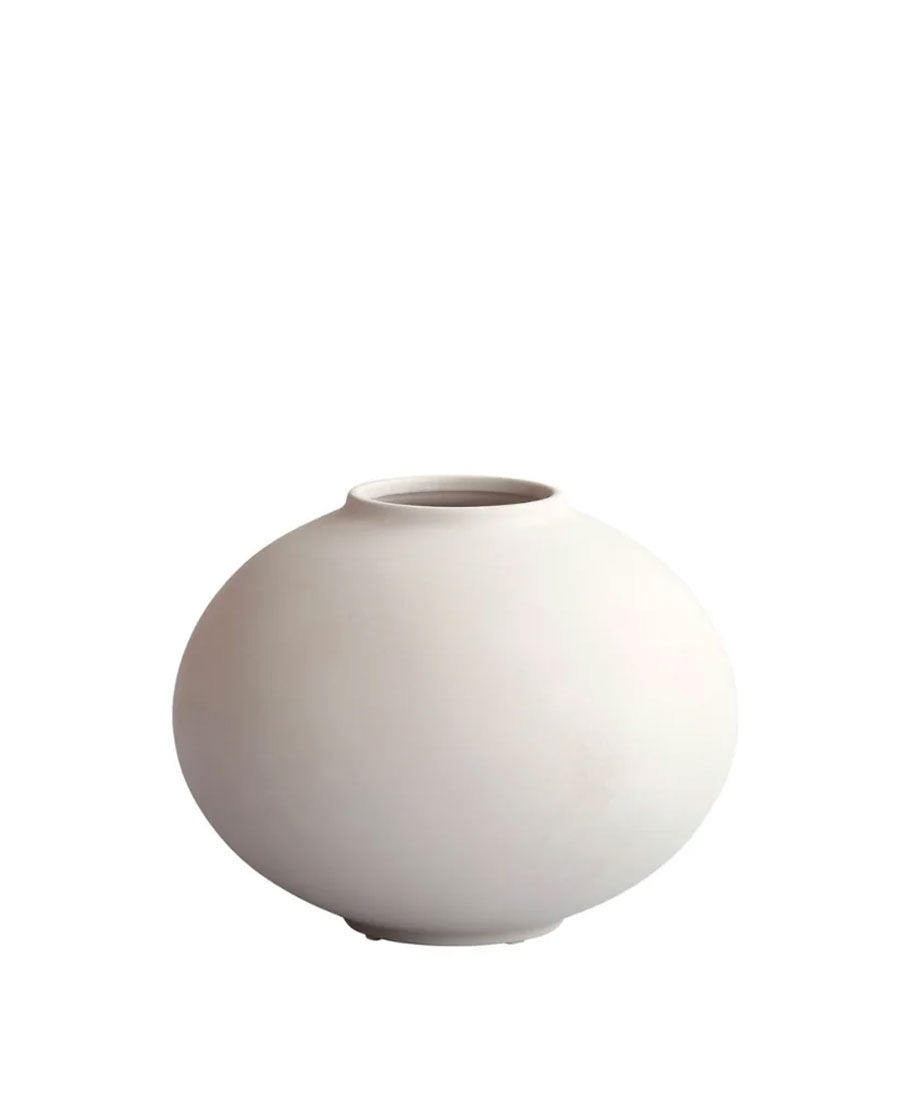
with Ancher Studio, a bespoke ceramics collection was developed for the house. Speckled clay and soft glaze reference sand and stone, extending the material logic of the architecture and its surroundings into everyday objects.
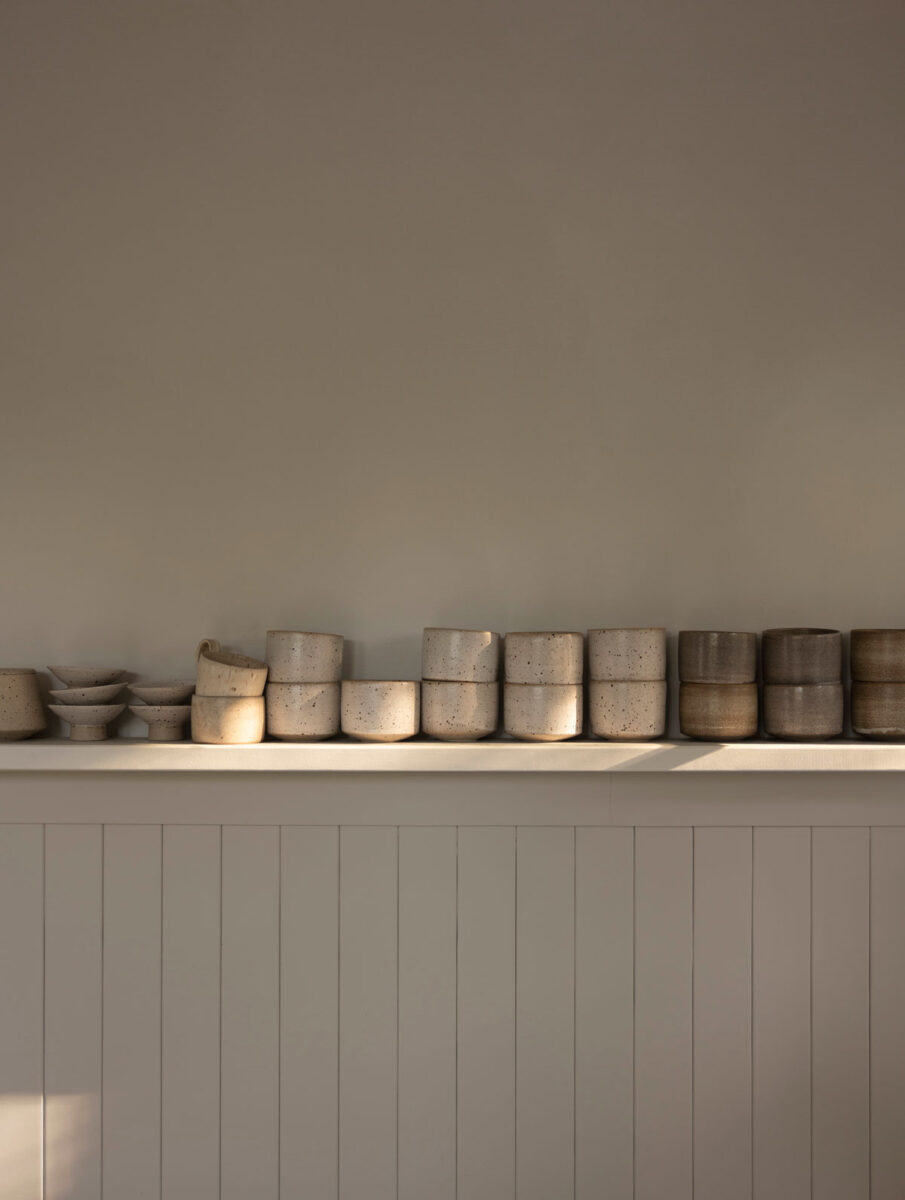
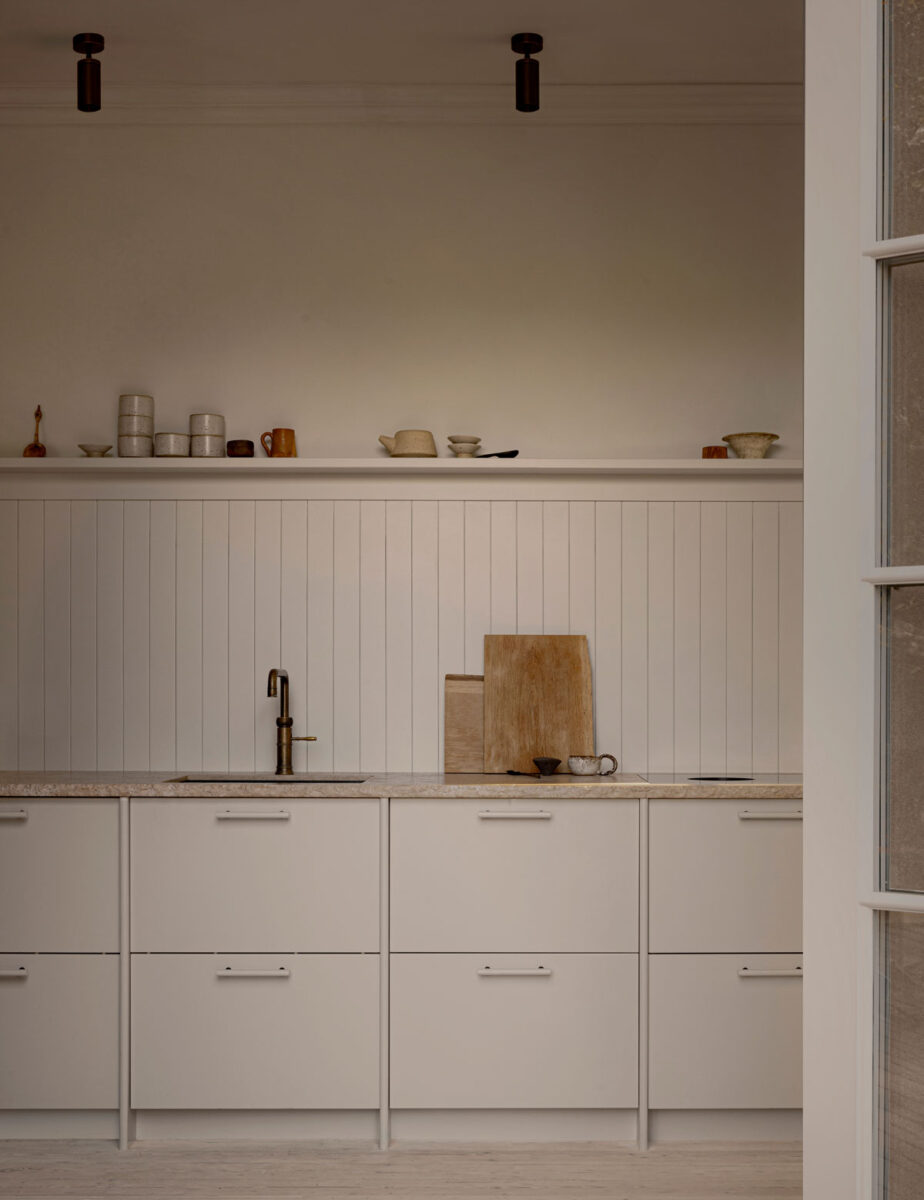
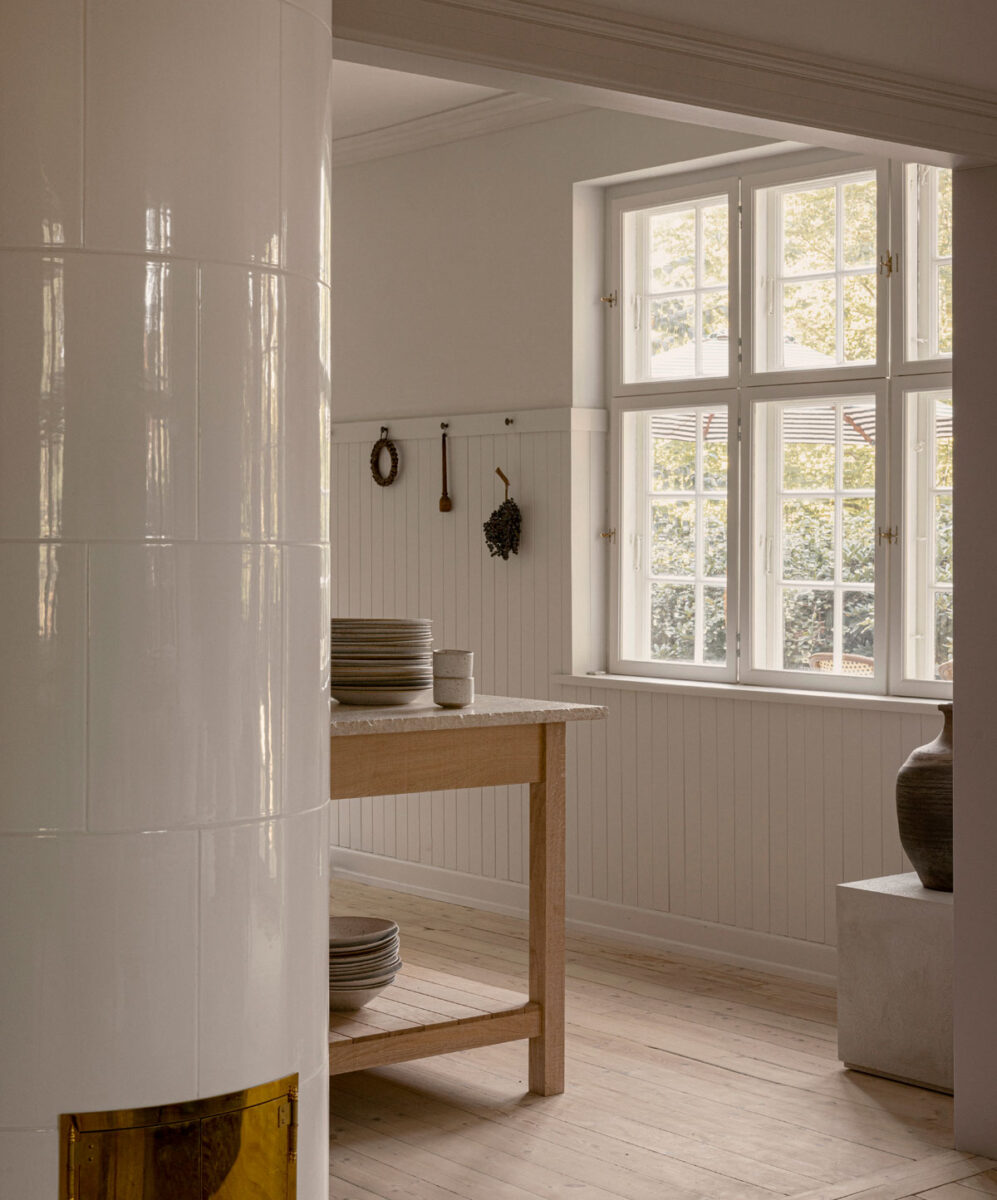
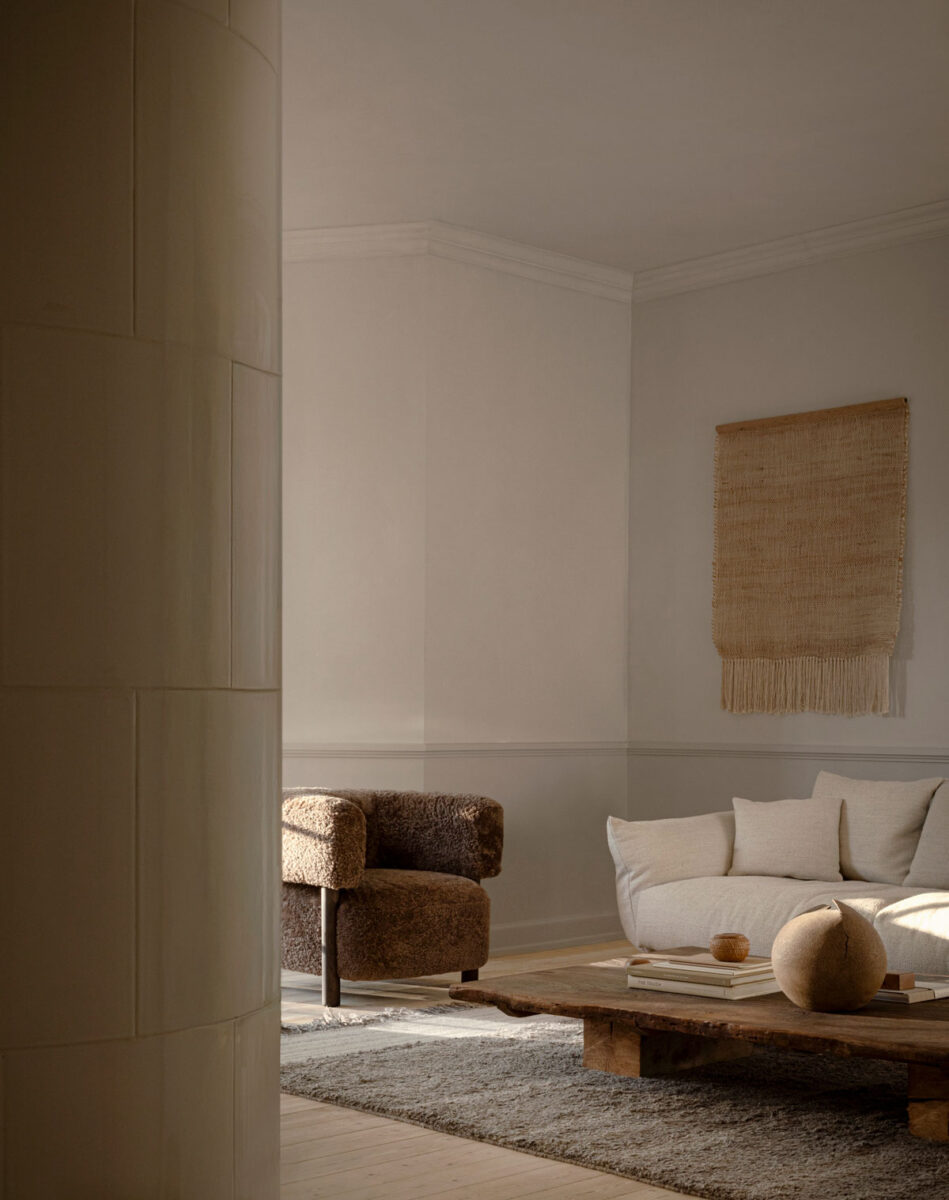
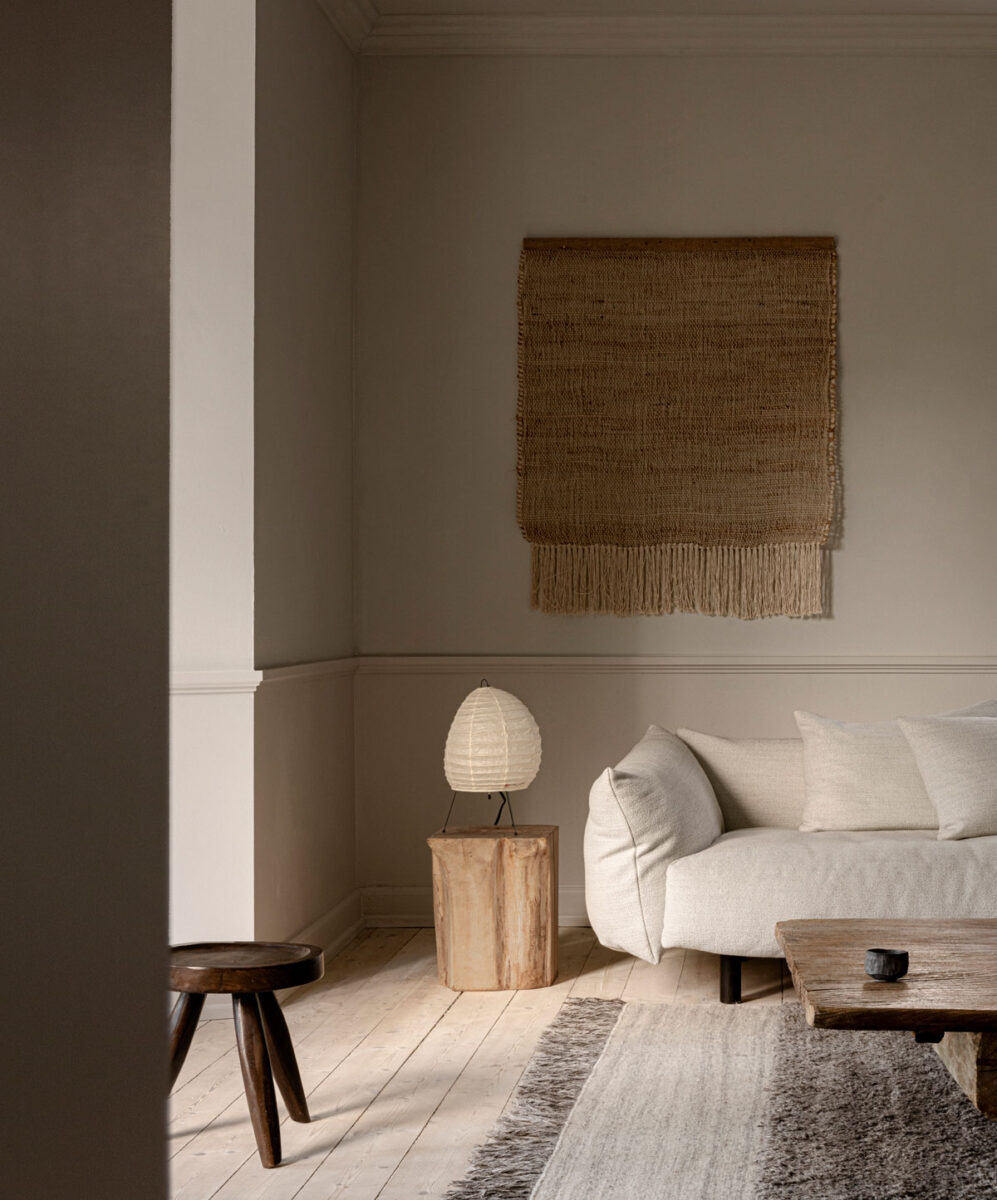
Both the living room…
and kitchen open onto a raised porch, extending the usable space outdoors. Between the two rooms, a new Swedish stove clad in white ceramic tile serves as a sculptural focal point—both functional and atmospheric, especially during colder months. Meanwhile, the original pine floors, restored with traditional lye and soap treatments, retain a raw, tactile finish that is both timeless and practical.
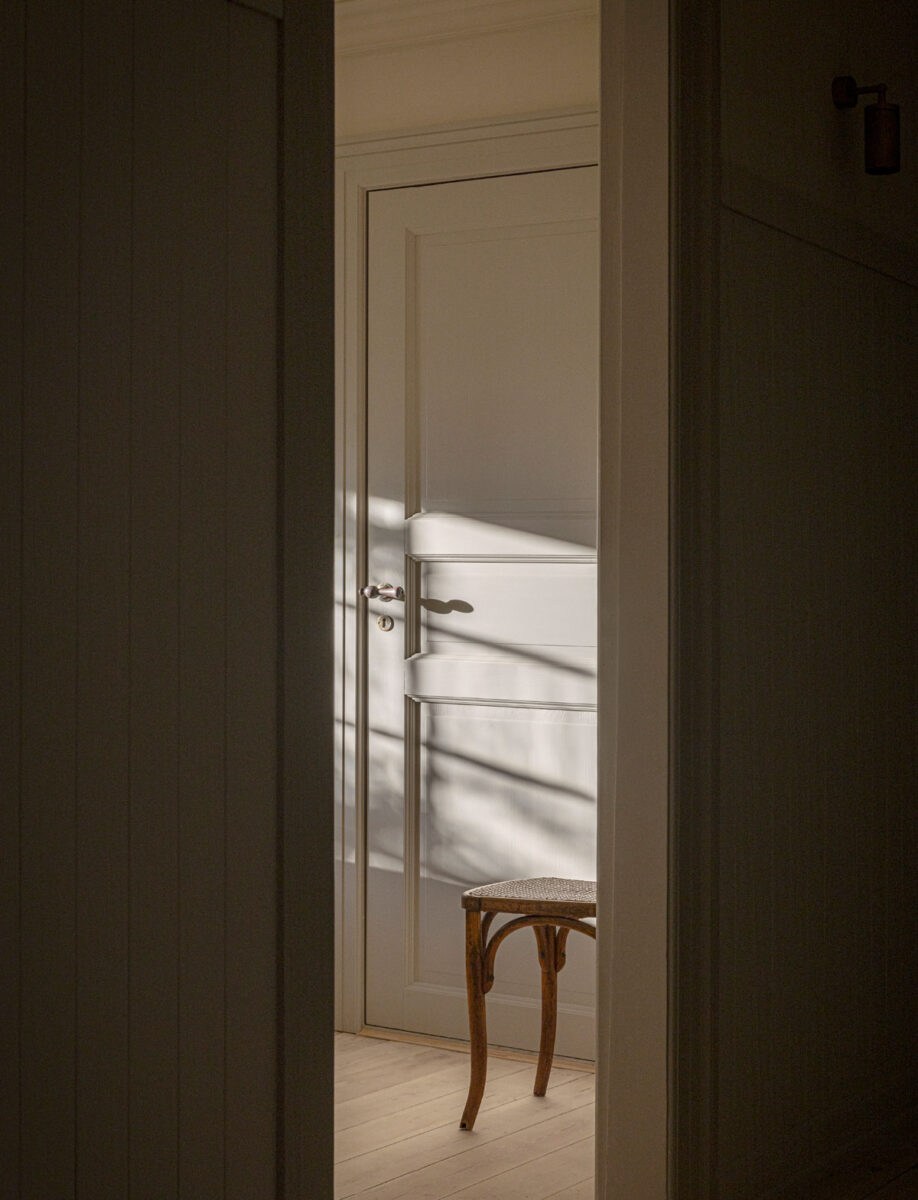
Upstairs…
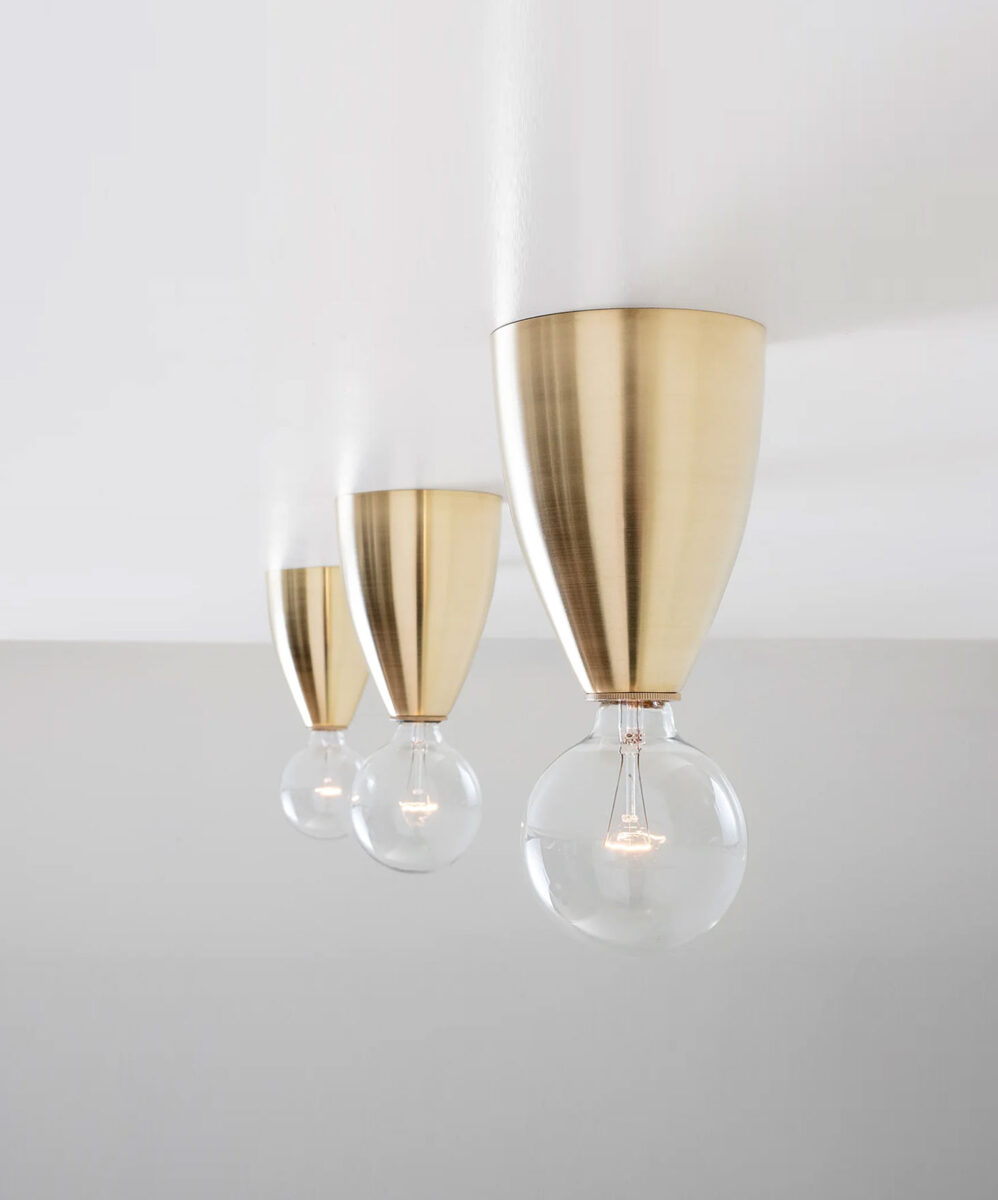
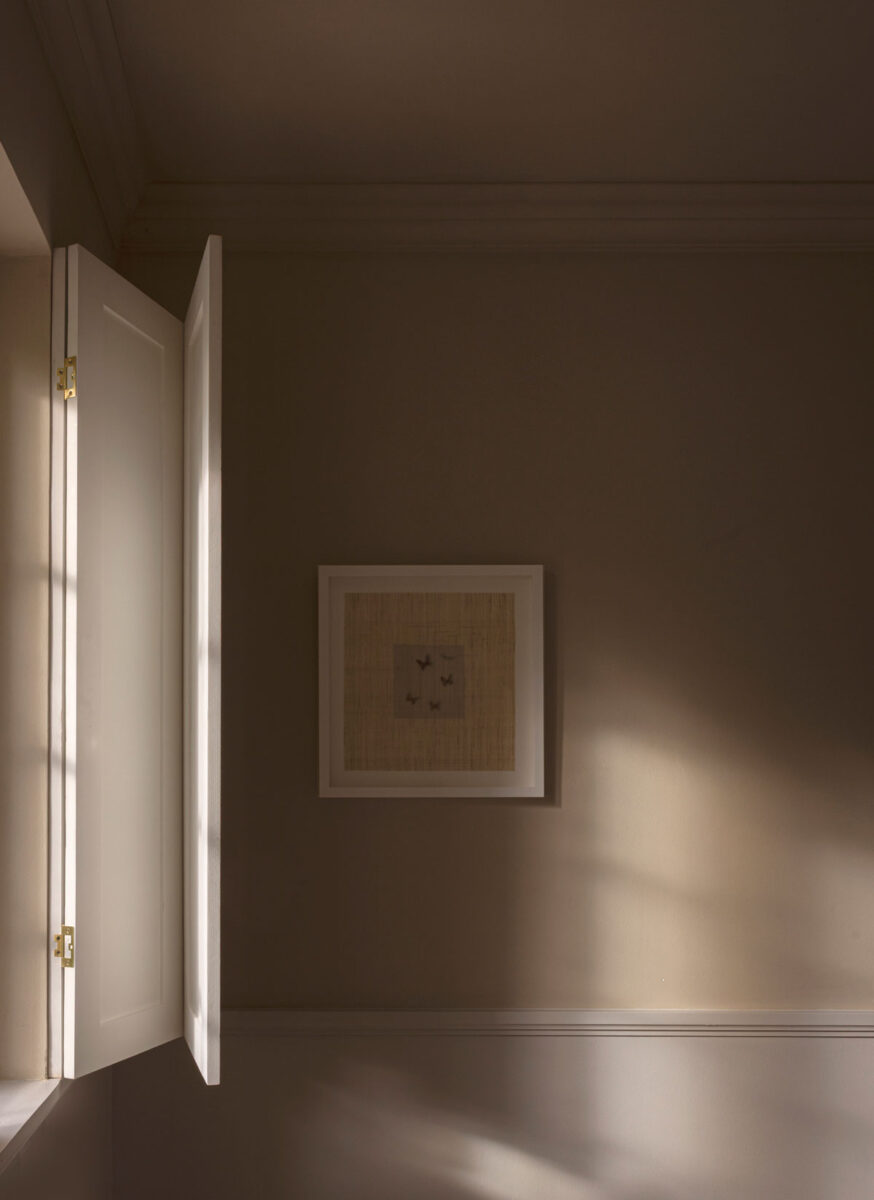
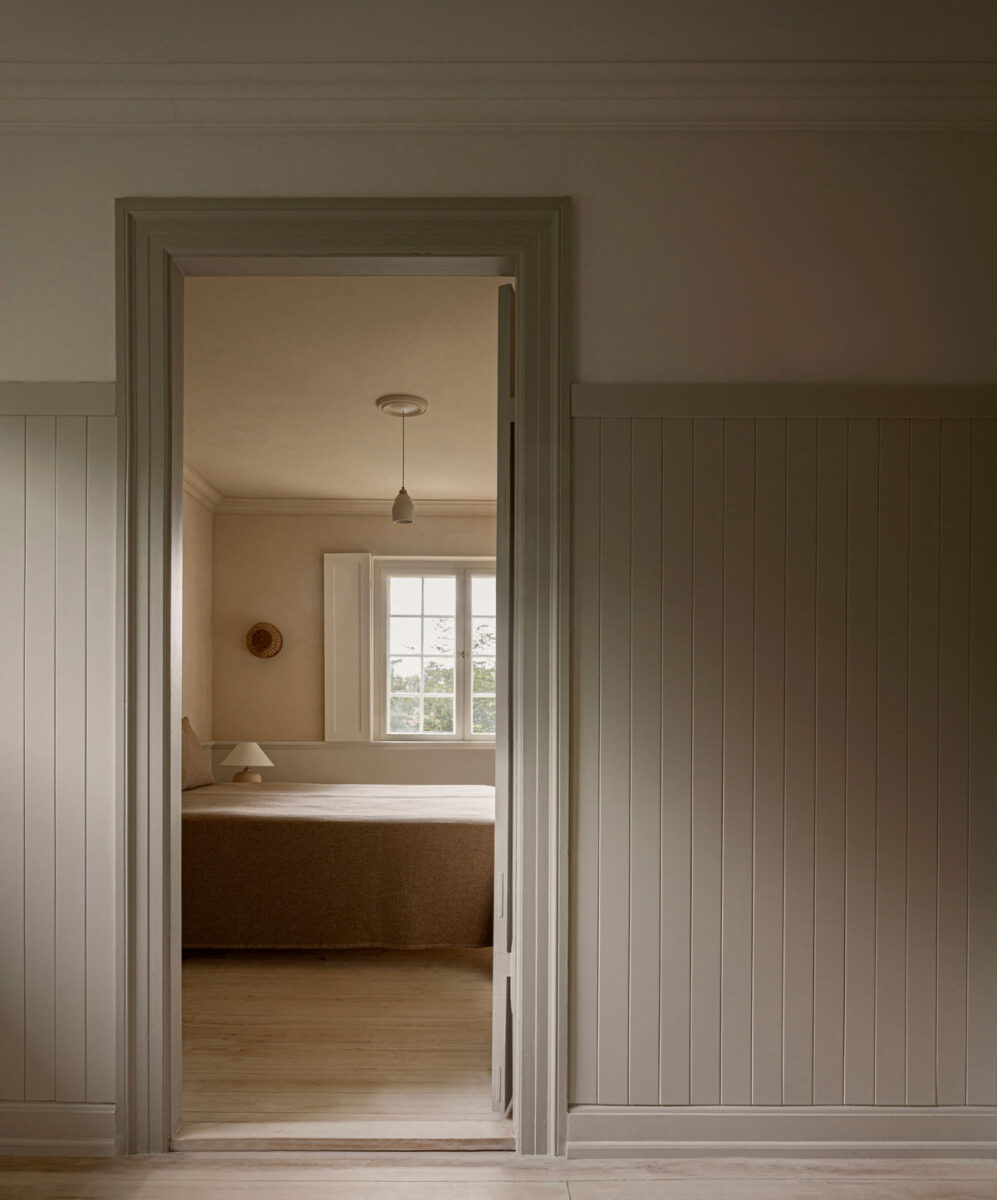
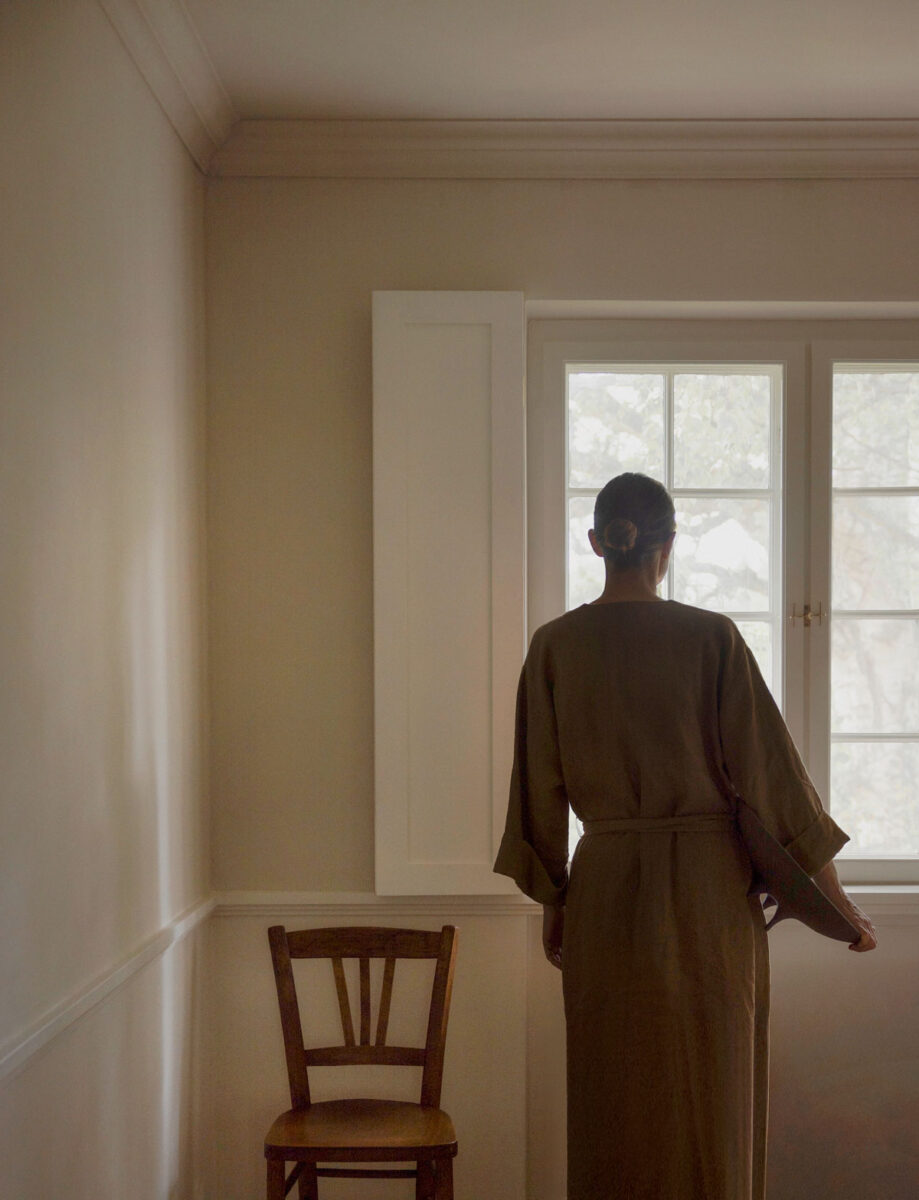
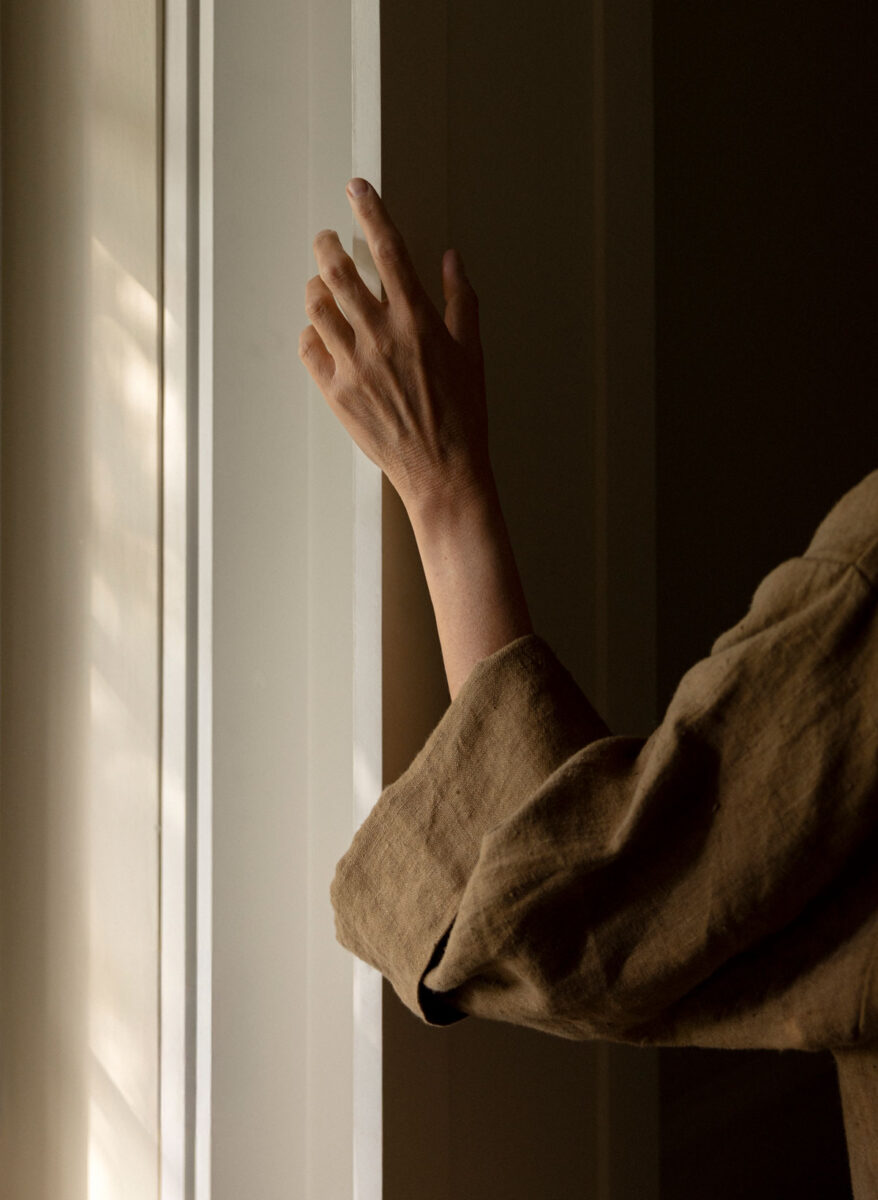
six guest rooms are composed with clarity and restraint, designed with the charm of a small hotel in mind. Each space is intentionally understated, allowing light, proportion, and material to define the room. Handcrafted shutters inspired by traditional Italian interiors replace curtains, while bespoke ceramic lighting and a muted, site-specific color palette—developed by St. Leo specifically for the house—respond to orientation and daylight conditions. This is further complemented by matching textiles designed by Norm Architects for One Mario Sirtori, reinforcing a consistent material and tonal language throughout the private spaces.
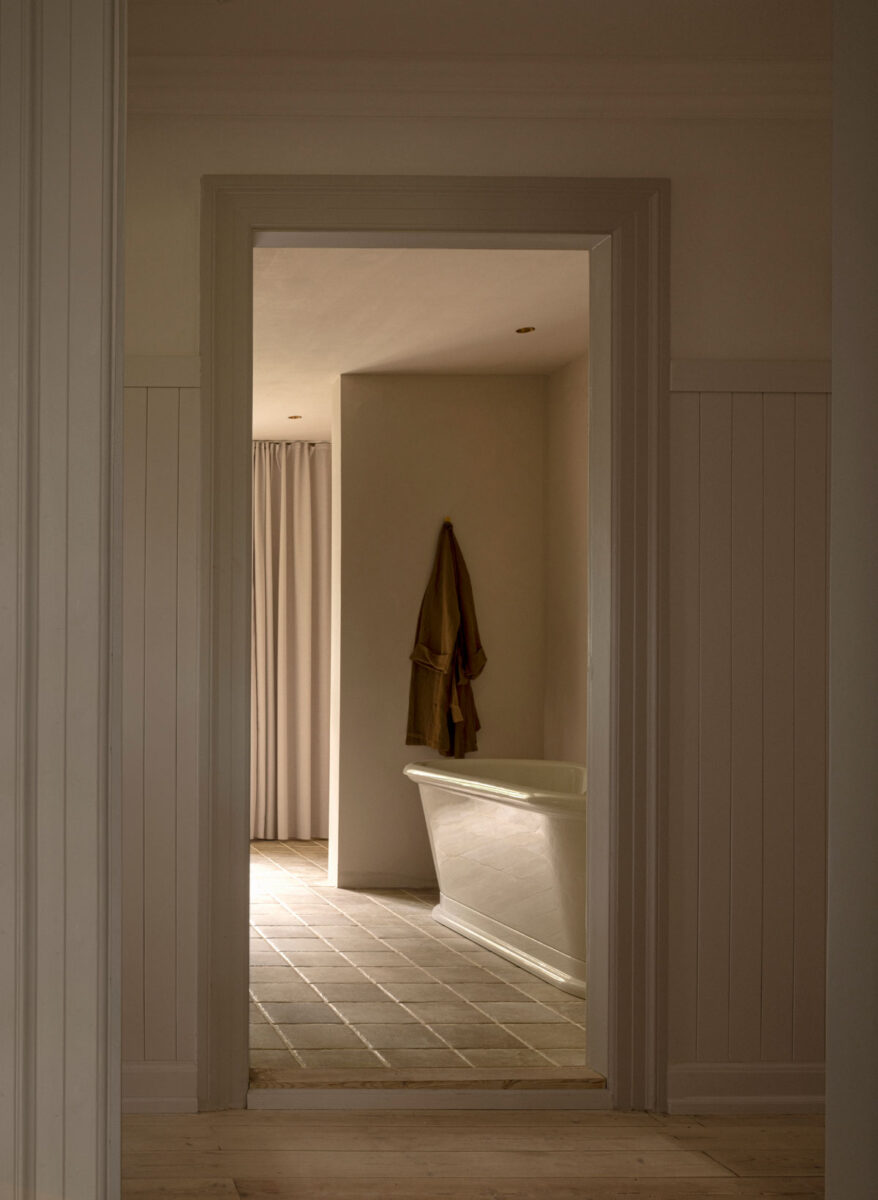
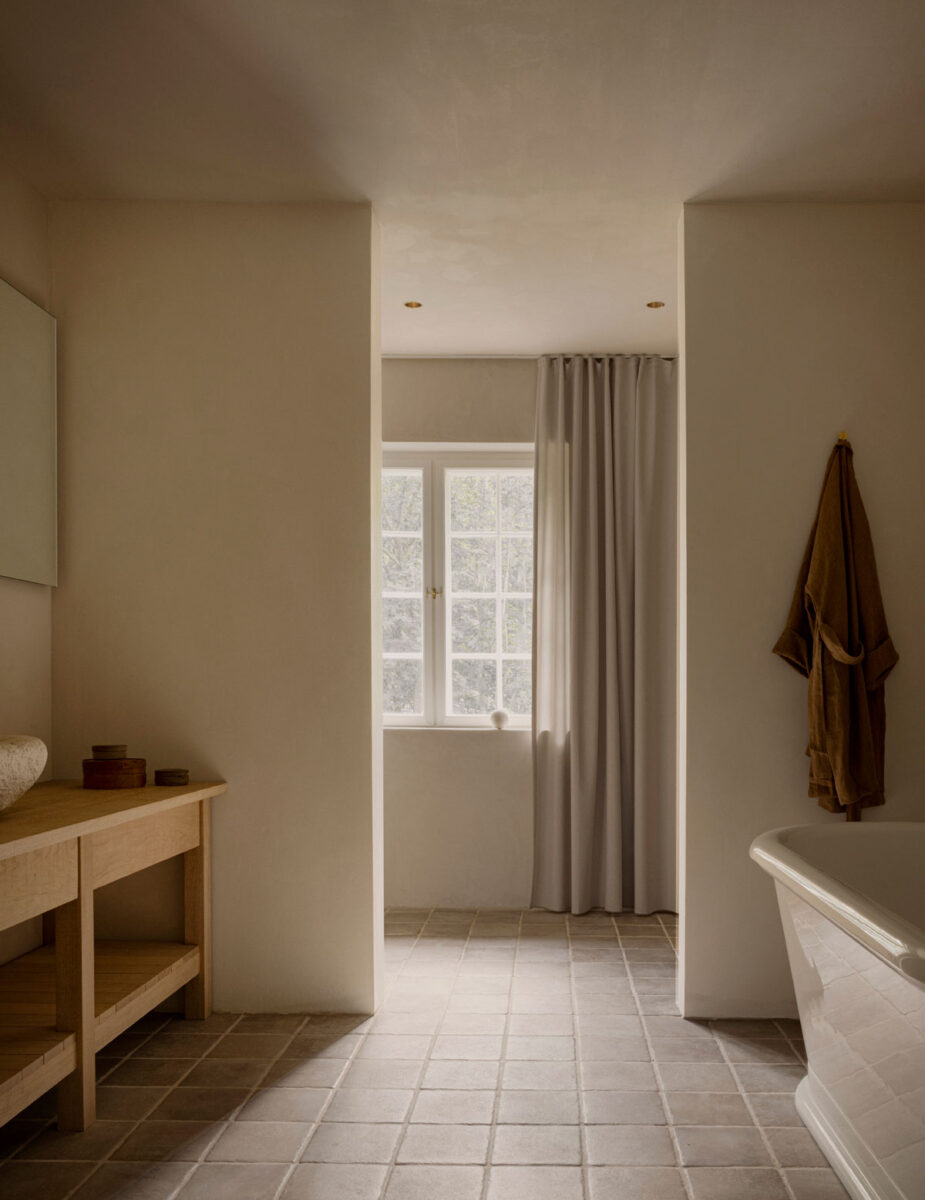
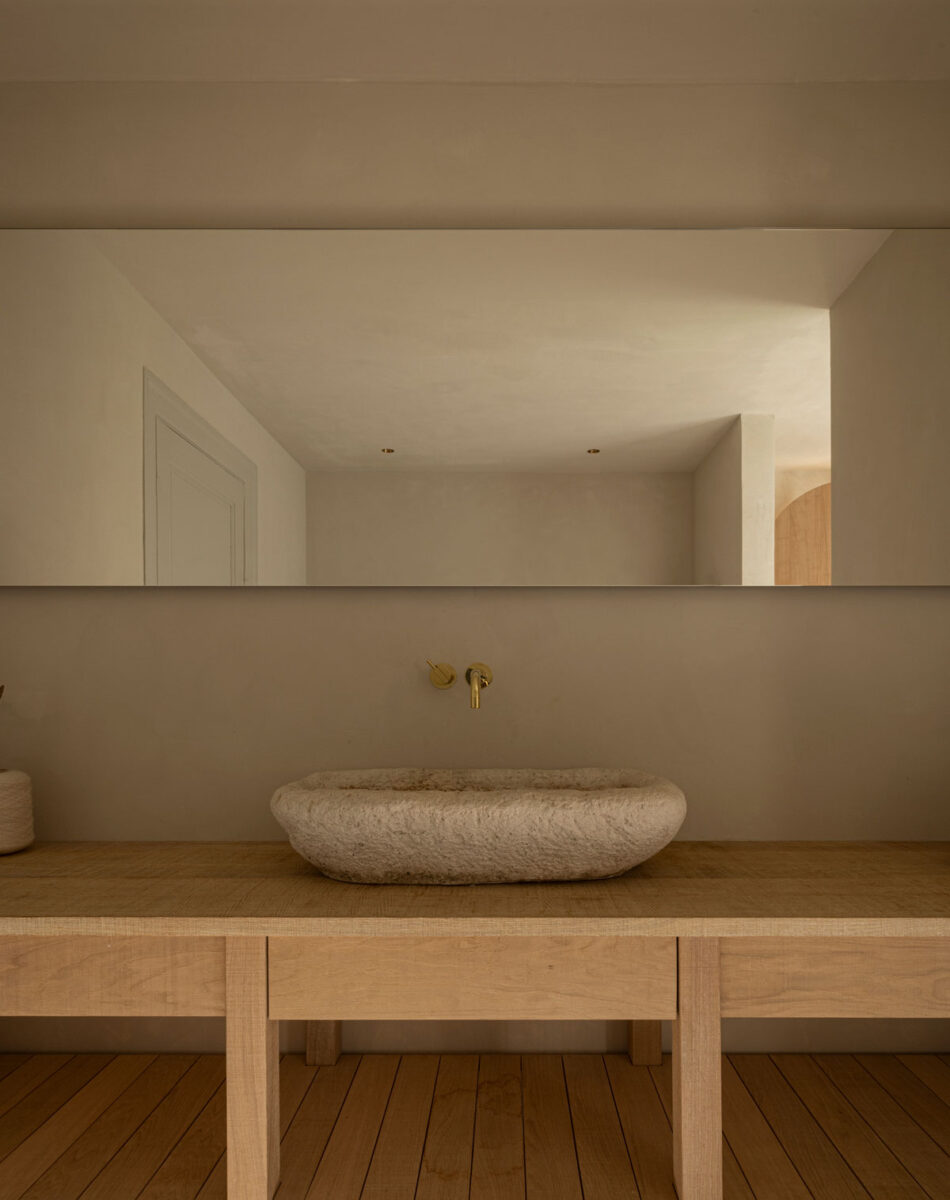
The master…
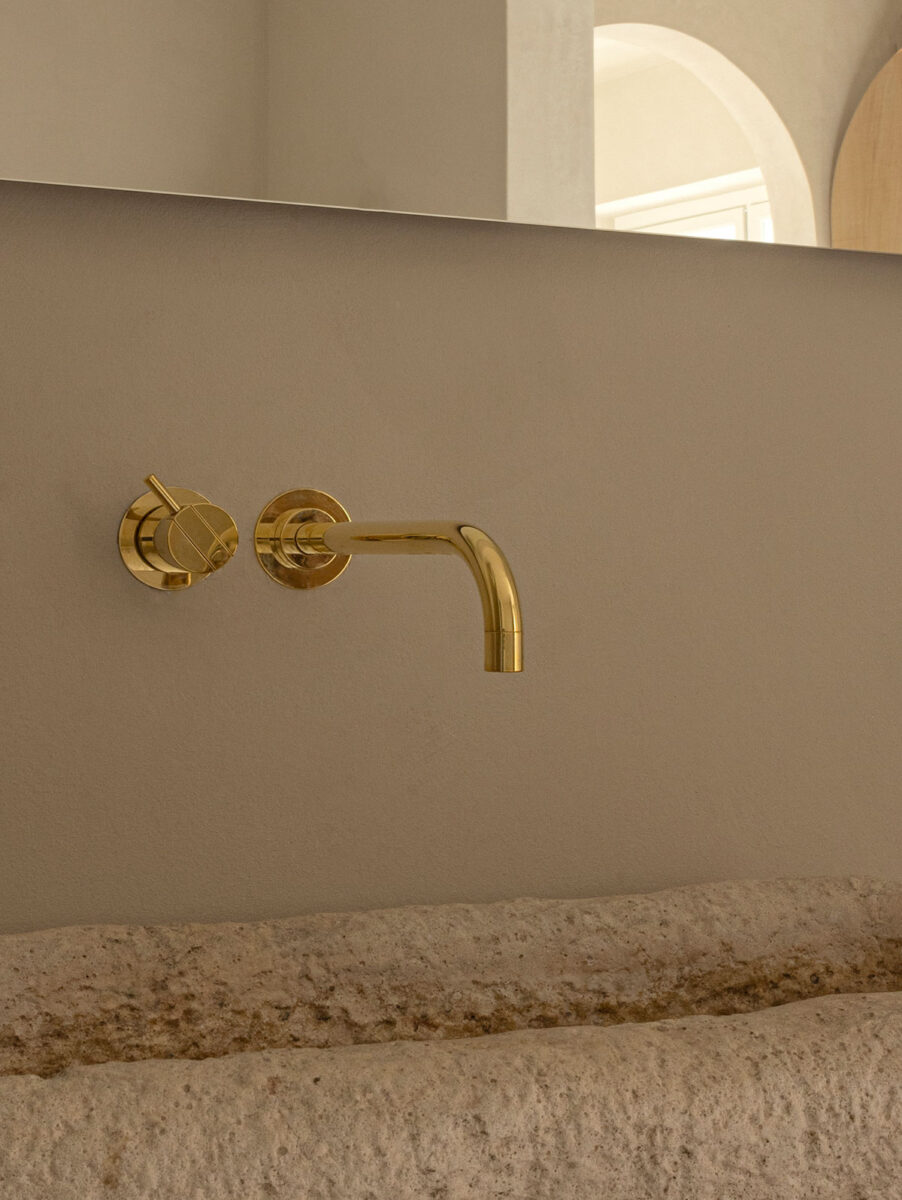
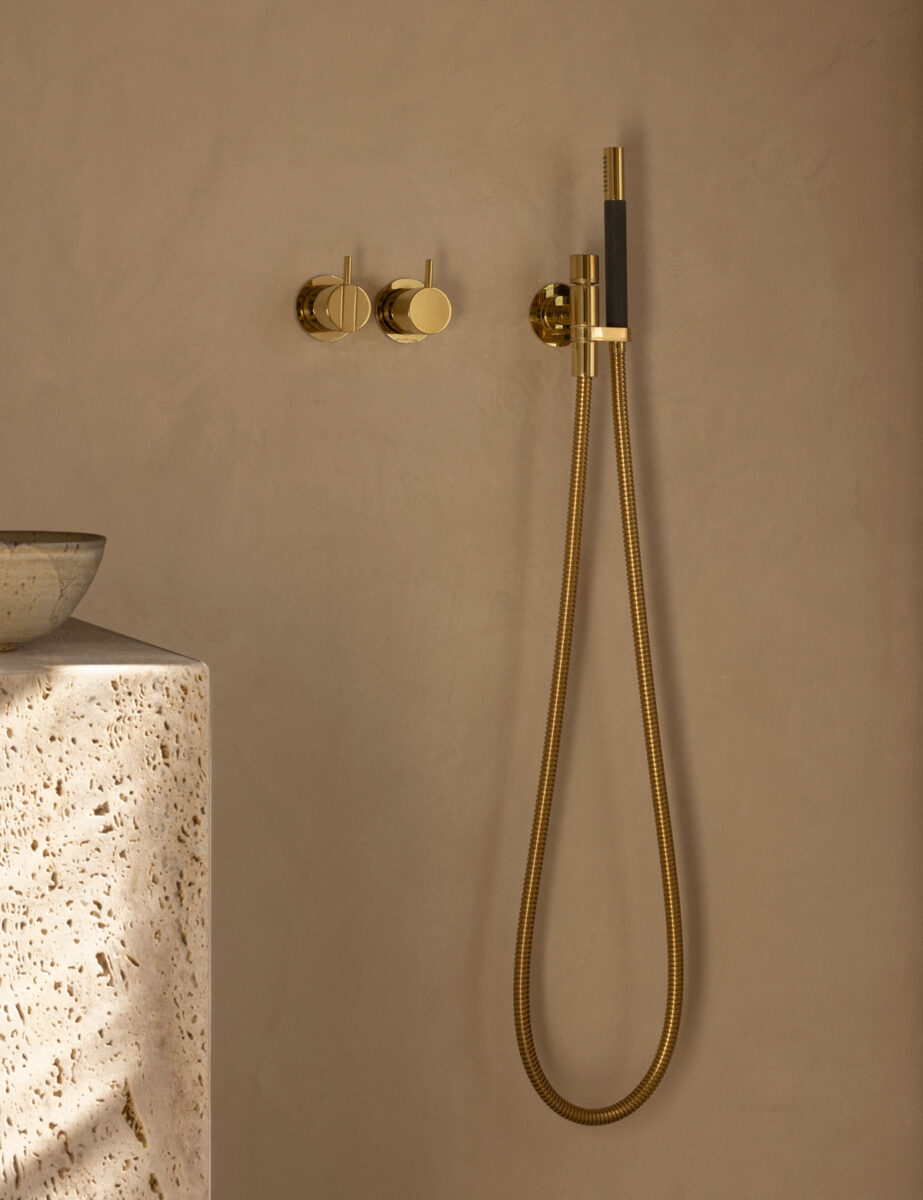
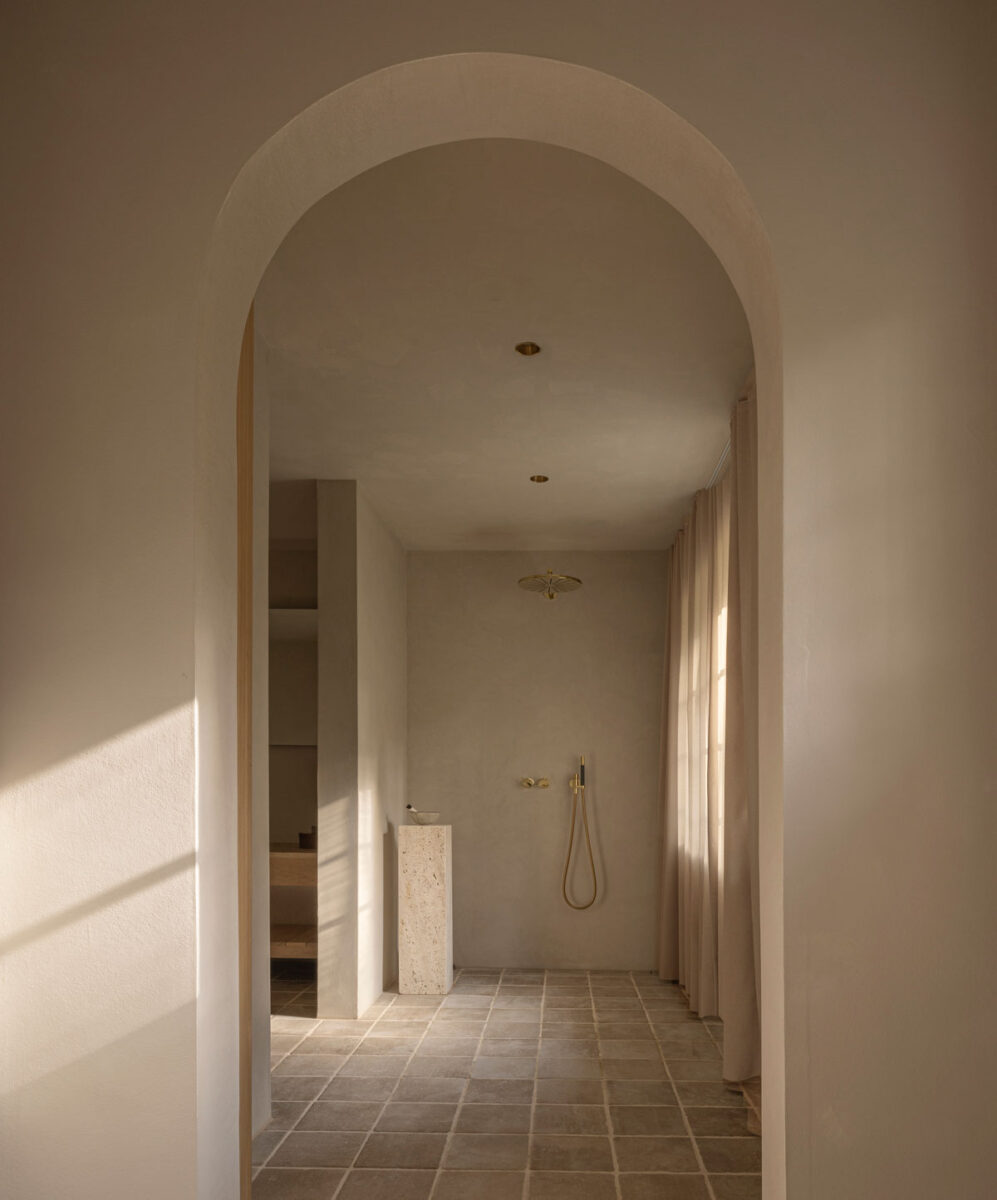
bathroom features new arched transitions that soften the spatial layout and improve flow. Reclaimed French stone troughs are repurposed as sinks, while solid oak furnishings reinforce the project’s emphasis on natural, time-worn materials. Ceramic flooring by Kronos Ceramiche is used here and in other areas of the home to establish continuity between key spaces.
Below ground…
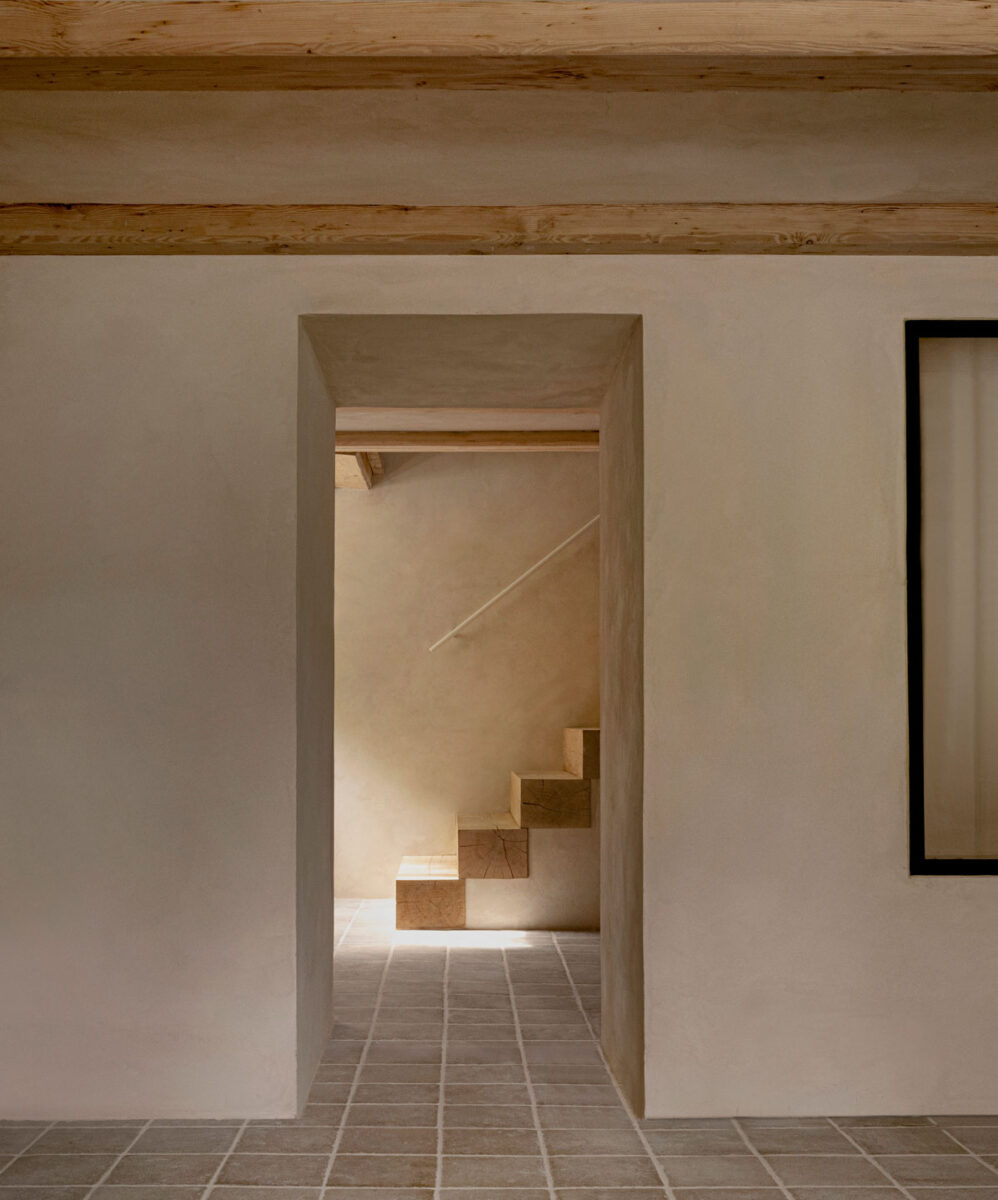
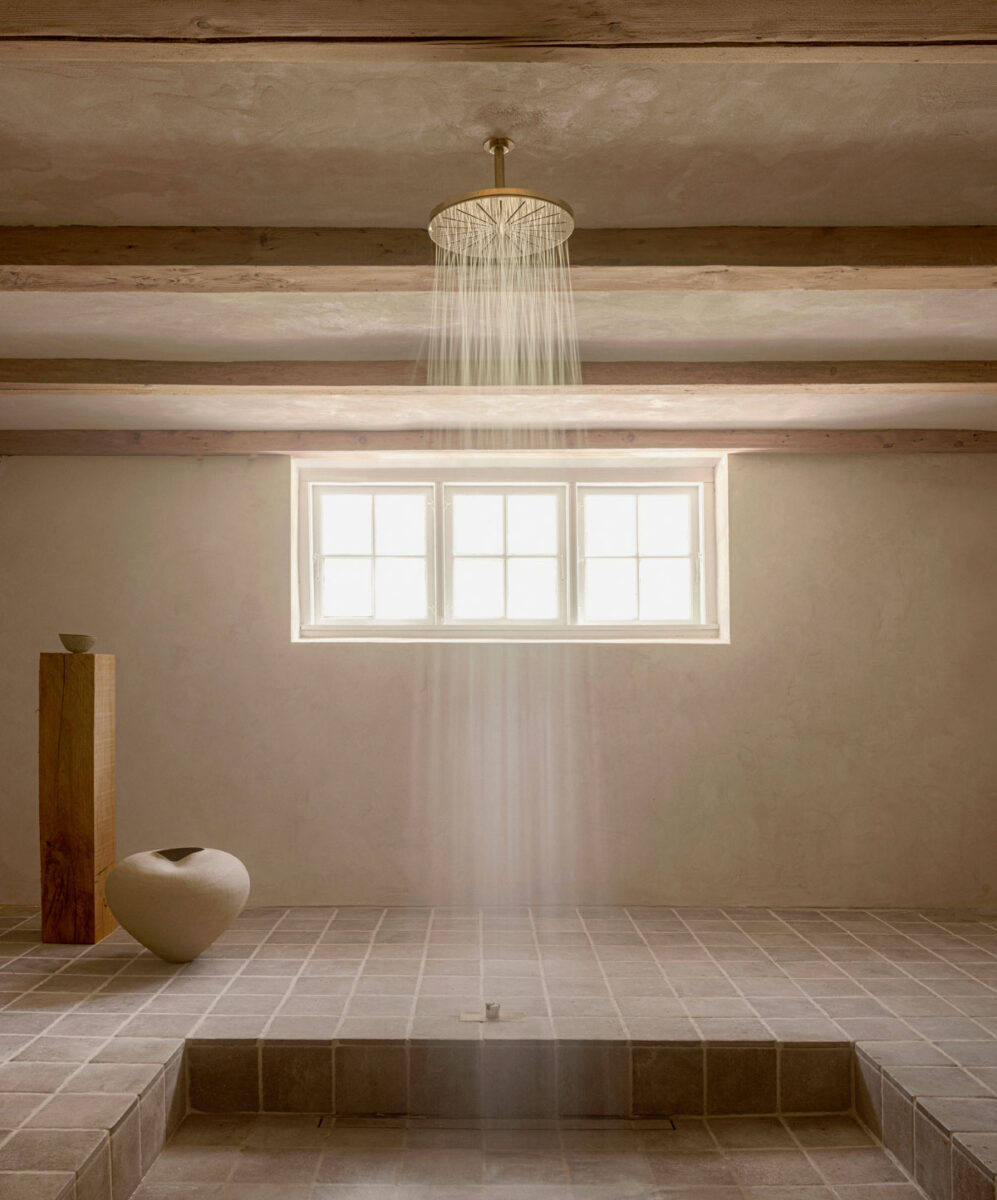
the basement has been reimagined as a spa and wine cellar. Accessed via a staircase carved from solid oak blocks sourced from a local sawmill, the wood is left deliberately unfinished to allow natural aging and patina. Jurassic lime glue is applied across all surfaces and left exposed, creating a unified, textural depth.
A stone’s throw…
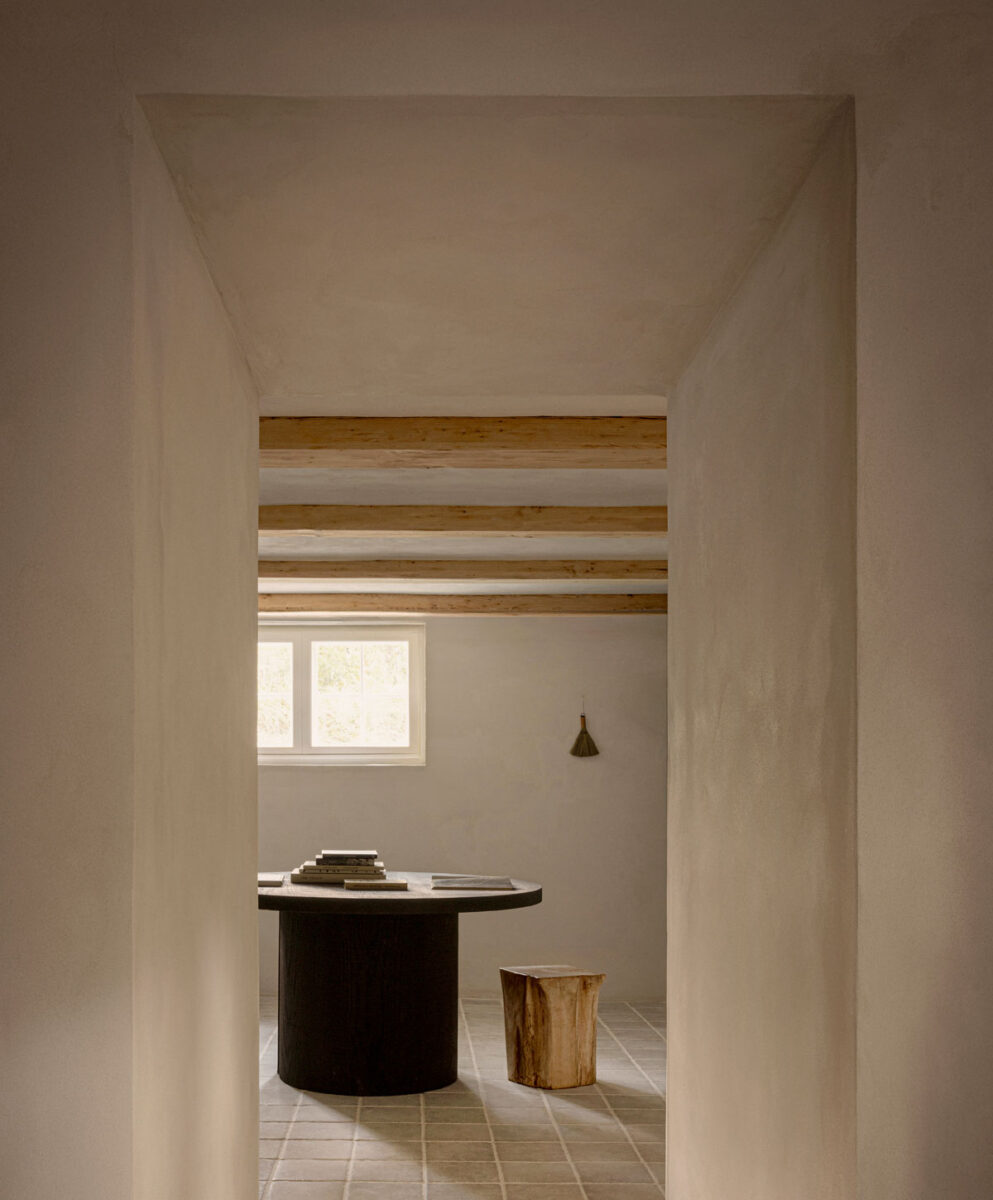
from the guesthouse, a former stable has been converted into a 40-square-meter studio. Rebuilt using reclaimed timber, it now accommodates exhibitions, gatherings, and dining. Inside, large Italian tiles define the flooring, complemented by an underfloor heating system that ensures comfort while preserving the space’s clean material expression. A long Douglas fir table anchors the interior, designed for both display and communal use—the culmination of a transformation defined by continuity, where architecture, material, and atmosphere are held in quiet balance and given new life.
Tap the look…
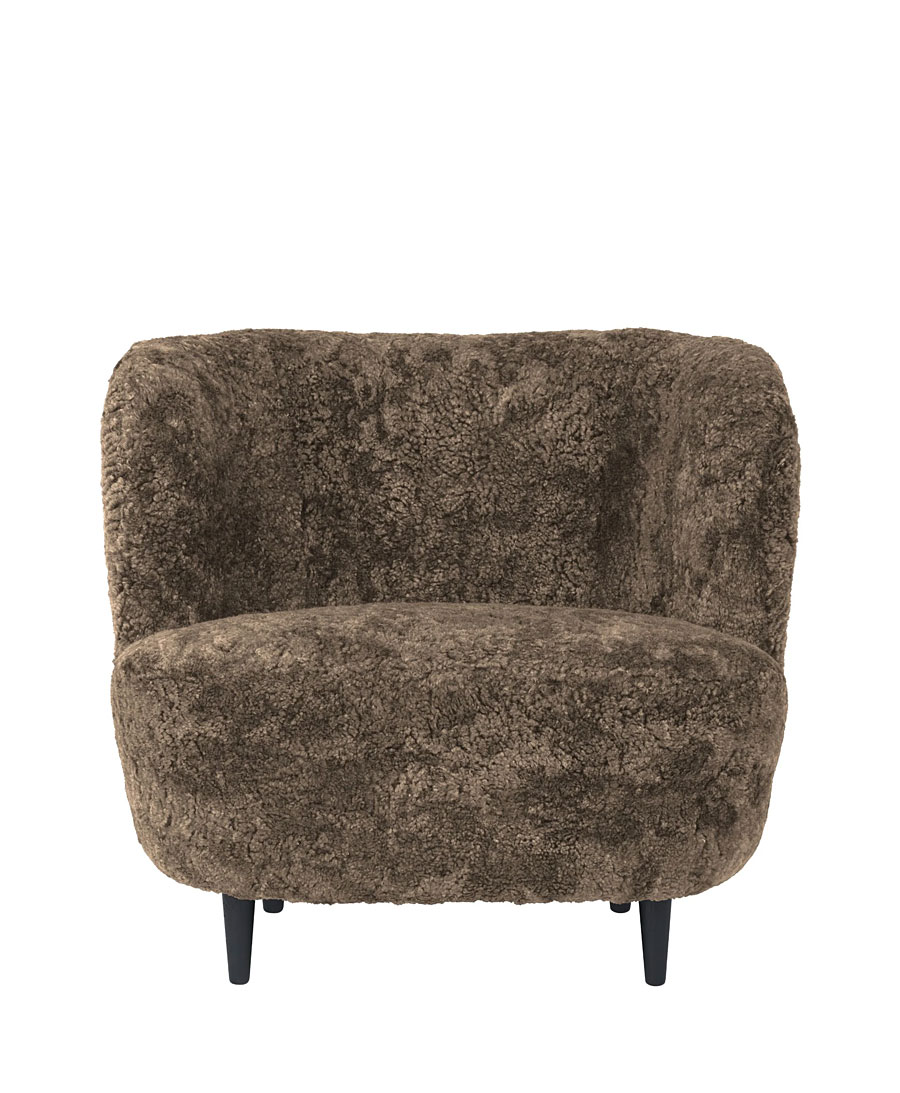
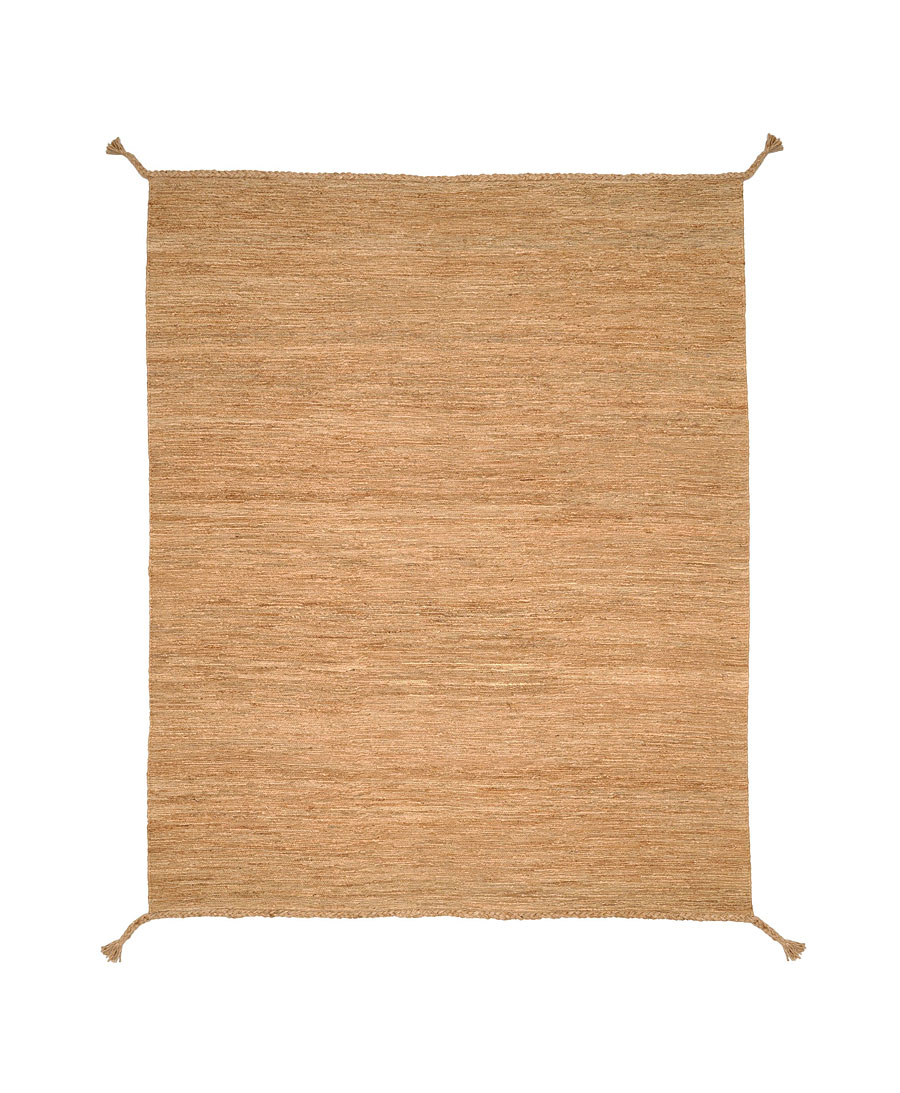
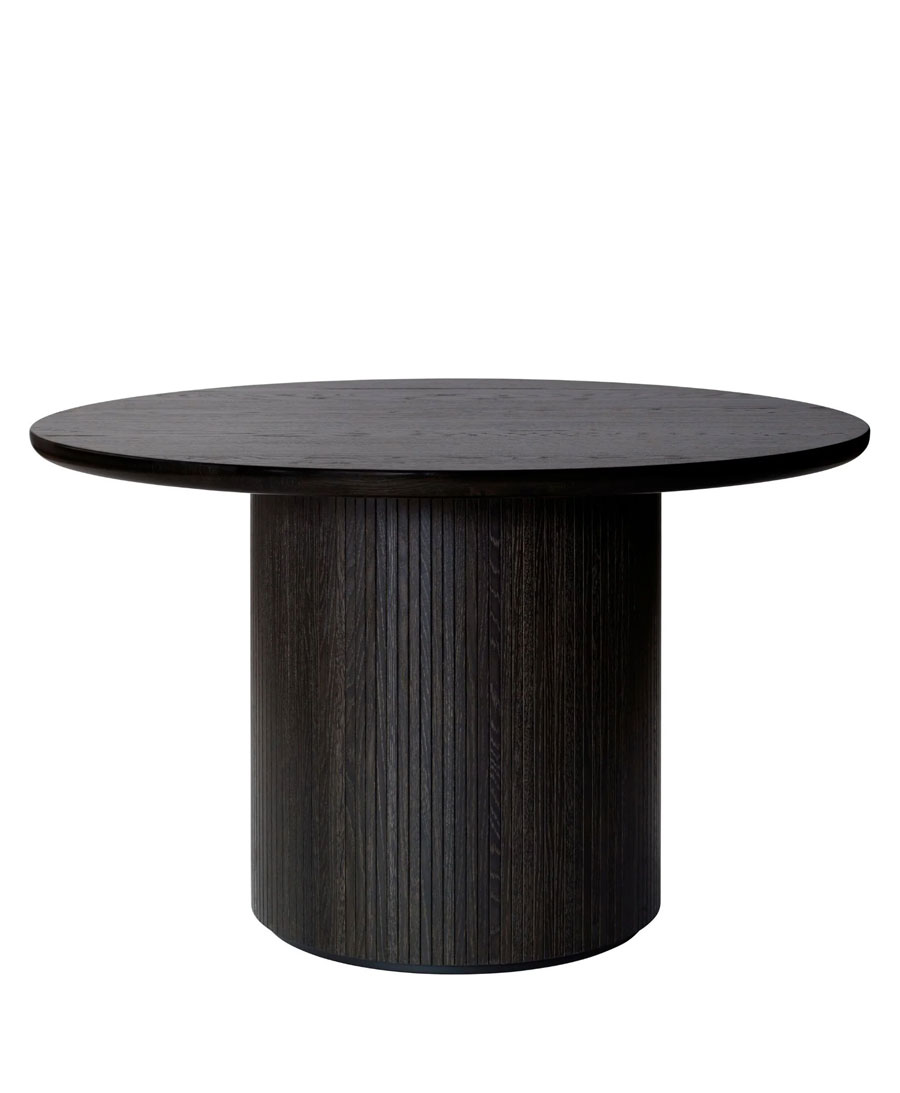
Architecture & Design: Norm Architects
Photogrpahy: Jonas Bjerre-Poulsen